
How to Prevent and Treat Split Ends: The Complete Guide to Healthier, Stronger Hair
You know that sinking feeling when you run your fingers through your hair and feel those rough, frayed ends? Yeah, we’ve all been there. Split ends are one of those frustrating hair problems that seem inevitable—but here’s the thing: they don’t have to be.
I’ve spent years battling damaged hair, trying everything from expensive salon treatments to DIY masks made in my kitchen at 2 AM. And after all that trial and error, I’ve finally figured out what actually works to how to prevent and treat split end and keep hair looking healthy.
In this guide, I’m going to share everything I’ve learned about treating split ends, what causes them, and most importantly, how you can stop them from happening in the first place. No fluff, no sales pitches—just real advice that actually works.
If you’re not sure what’s quietly wrecking your ends, start with my guide on common haircare mistakes.
What Are Split Ends (And Why Should You Care)?
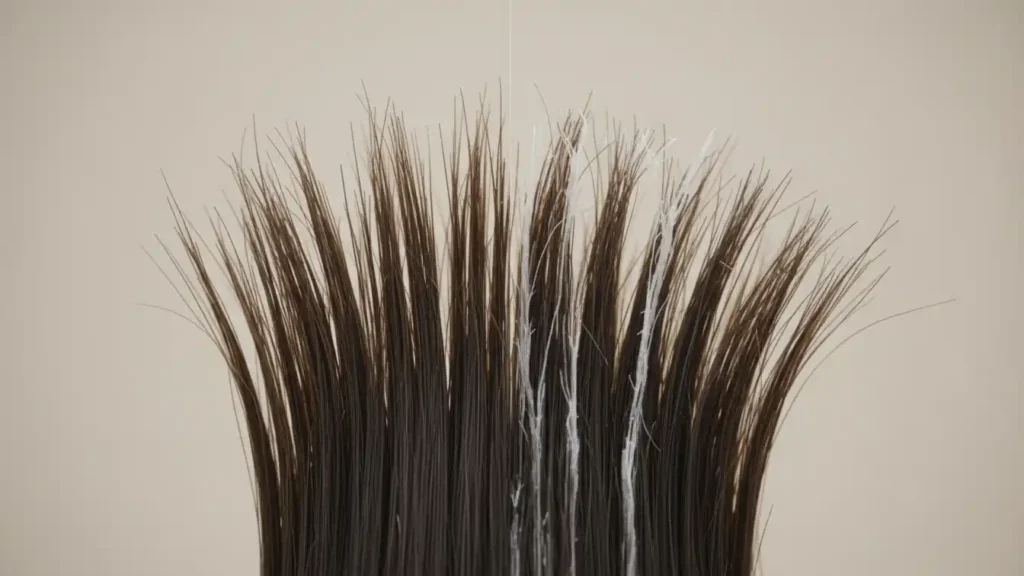
Let’s start with the basics. Split ends—scientifically called trichoptilosis—happen when the protective outer layer of your hair (the cuticle) gets worn down and damaged. Once that protective barrier is gone, the inner part of your hair strand (the cortex) becomes exposed and starts to literally split apart.
Think of it like a rope that’s been used for too long. The fibers start separating and fraying at the ends, right? That’s exactly what’s happening to your hair.
Now here’s where it gets interesting. Split ends aren’t just a cosmetic issue. When left untreated, they can travel up the hair shaft, causing more breakage and making it impossible to grow your hair long. The damage basically compounds on itself, creating a vicious cycle of hair breakage and frustration.
And if your hair also feels flat and lifeless from heat, these tips on how to add volume and body to your hair can help without extra damage.
The Real Impact of Split Ends
Split ends make your hair look dull, frizzy, and unhealthy. They tangle more easily, feel rough to the touch, and can make styling a nightmare. Moreover, if you’re trying to grow your hair long, split ends will sabotage your efforts because the hair keeps breaking off faster than it can grow.
I learned this the hard way after years of wondering why my hair wouldn’t grow past a certain length. Turns out, it wasn’t that my hair stopped growing—it was breaking off at the same rate it was growing.
8 Different Types of Split Ends You Need to Know About
You might be wondering, “Wait, there’s more than one type of split end?” Yep. And understanding which type you have can help you figure out how severe the damage is and what you need to do about it.
1. Baby Split Ends (The Warning Sign)
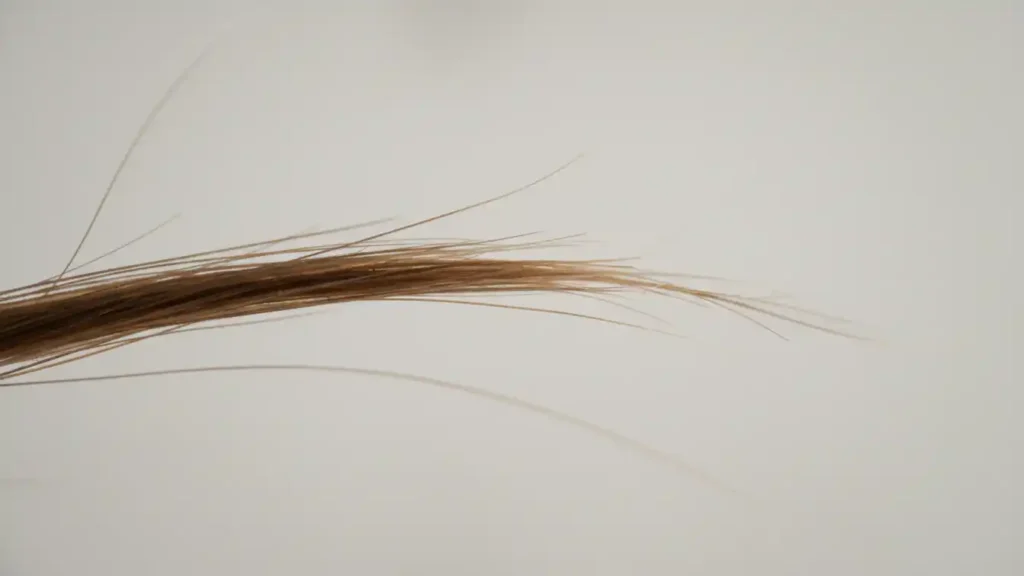
These are the earliest stage of split ends—so subtle you might not even notice them at first. The hair shaft starts to thin out at the very tip, but it hasn’t actually split yet. This is your hair’s way of saying, “Hey, I need some help here.”
What to do: Catch these early with regular trims and increased moisture. You can actually prevent them from getting worse.
2. Traditional Split Ends (The Classic Y-Split)
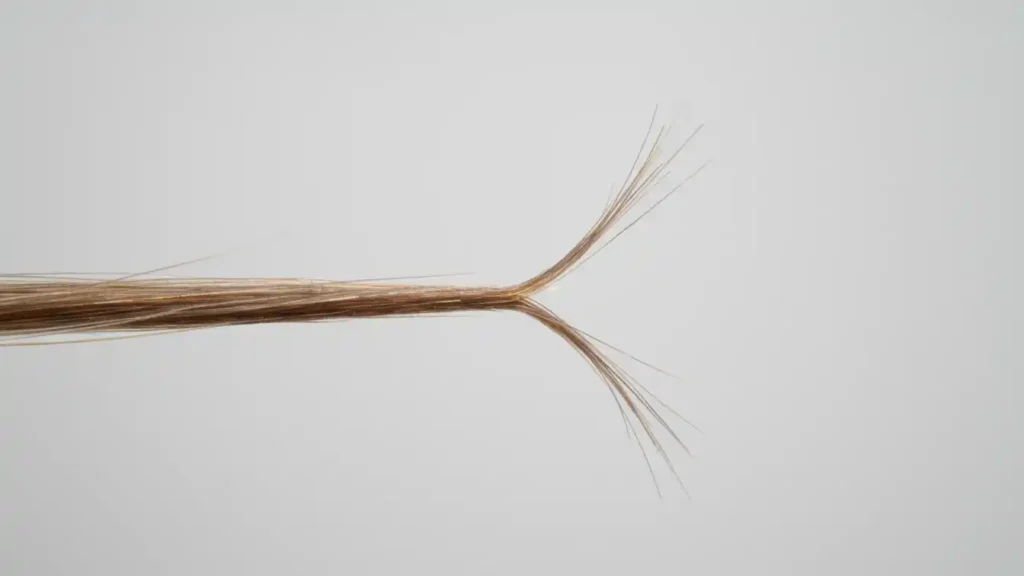
This is the most common type and probably what you picture when you think of split ends. The hair strand divides into two at the tip, creating that telltale Y-shape.
Cause: Usually from heat styling, rough brushing, or skipping trims for too long.
What to do: Time for a trim, plus better heat protection and gentler handling going forward.
3. Partial Split Ends (The Incomplete Break)
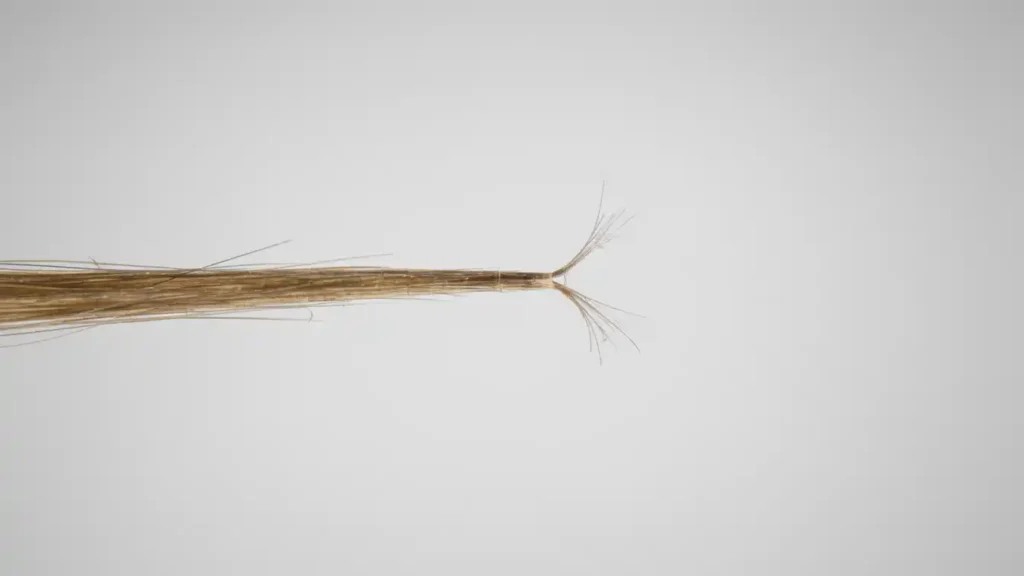
Similar to the traditional split, but smaller and not fully separated yet. If you look closely, you’ll see the beginning of a split that hasn’t completely divided the strand.
What to do: These can sometimes be saved! Deep conditioning treatments and limiting heat exposure can help strengthen the hair before the split gets worse.
4. Fork Split Ends (The Triple Threat)
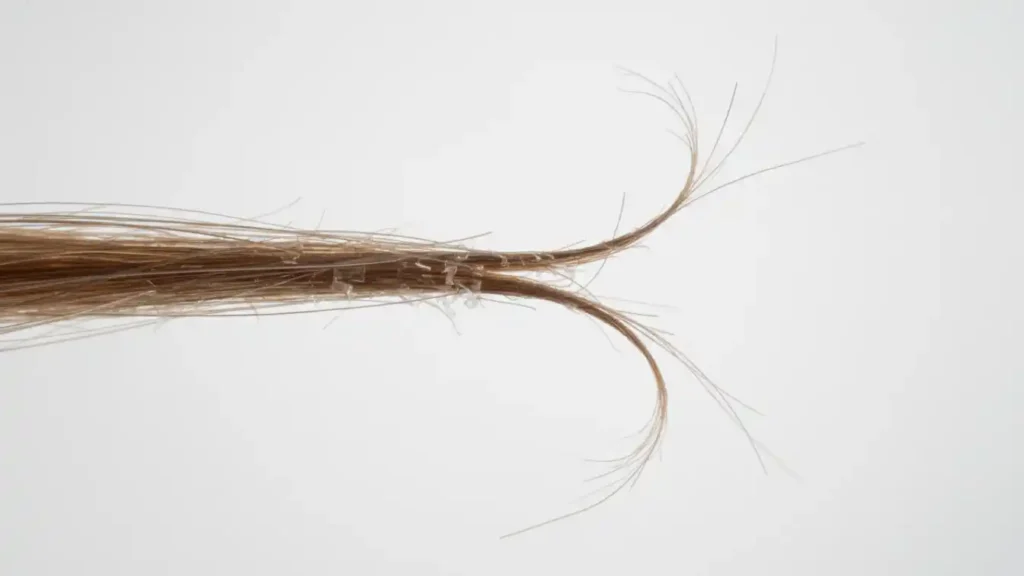
When a single strand splits into three parts, resembling a fork. This indicates more advanced damage and shows your hair is extremely dehydrated.
Cause: Lack of moisture, overwashing, or excessive chemical treatments.
What to do: You’ll need to cut these off and seriously amp up your hydration game with hair masks and leave-in treatments.
5. Tree Split Ends (The Severe Damage)
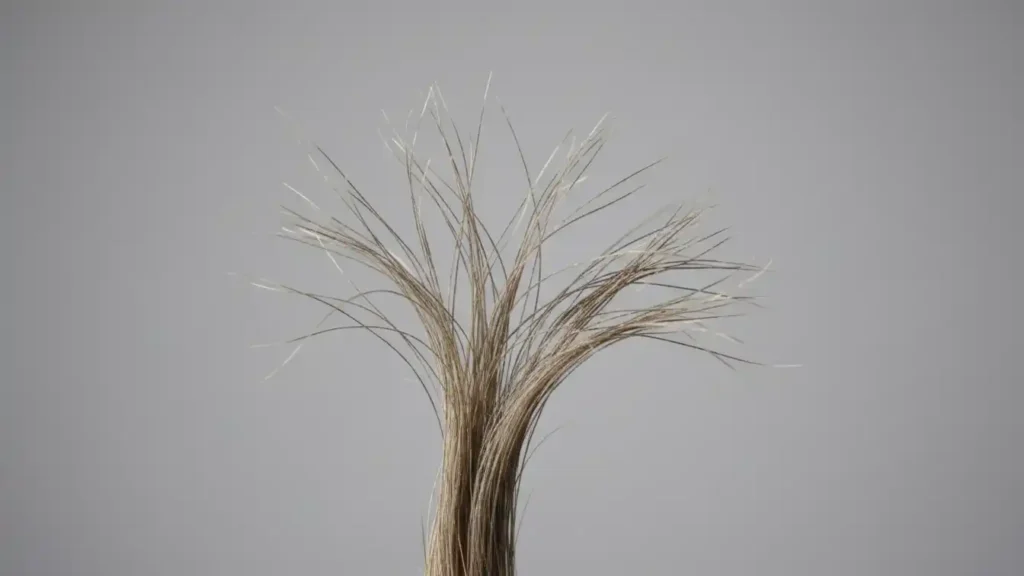
These look exactly like their name suggests—multiple splits branching off from a single strand, like tree branches. This is one of the more severe types of split ends and indicates significant damage.
Cause: Long-term neglect, excessive heat damage, and repeated chemical processing without proper care.
What to do: A significant trim is necessary, plus a complete overhaul of your hair care routine.
6. Feathered Split Ends (The Frayed Mess)
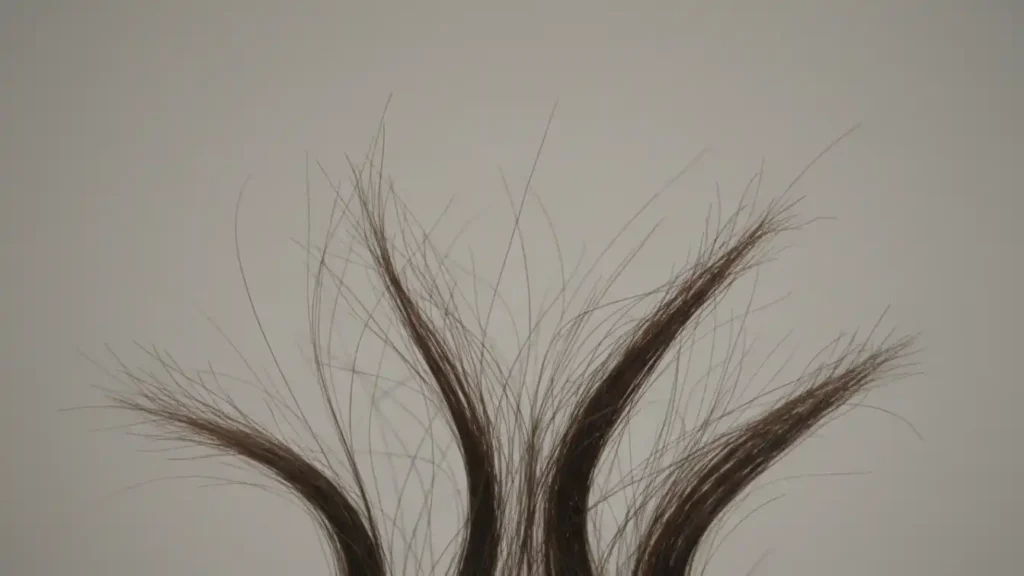
When your hair looks wispy and frayed like a feather, with multiple tiny splits all along the ends. This indicates severe dryness and extensive damage.
What to do: These need to be cut off immediately, and you’ll need to focus on intense hydration and protein treatments.
7. Deep Split Ends (The Traveler)
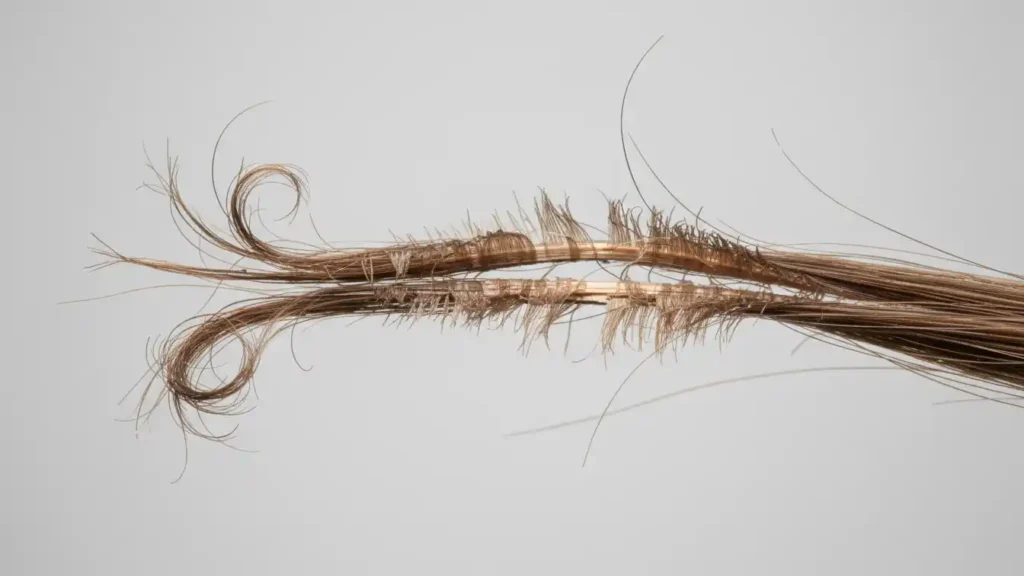
These are split ends that have traveled way up the hair shaft—sometimes several inches from the tip. They’re a sign that damage has been ignored for too long.
What to do: You’ll need to cut above where the split has traveled to prevent it from going even higher.
8. Taper Split Ends (The Thinning Tips)
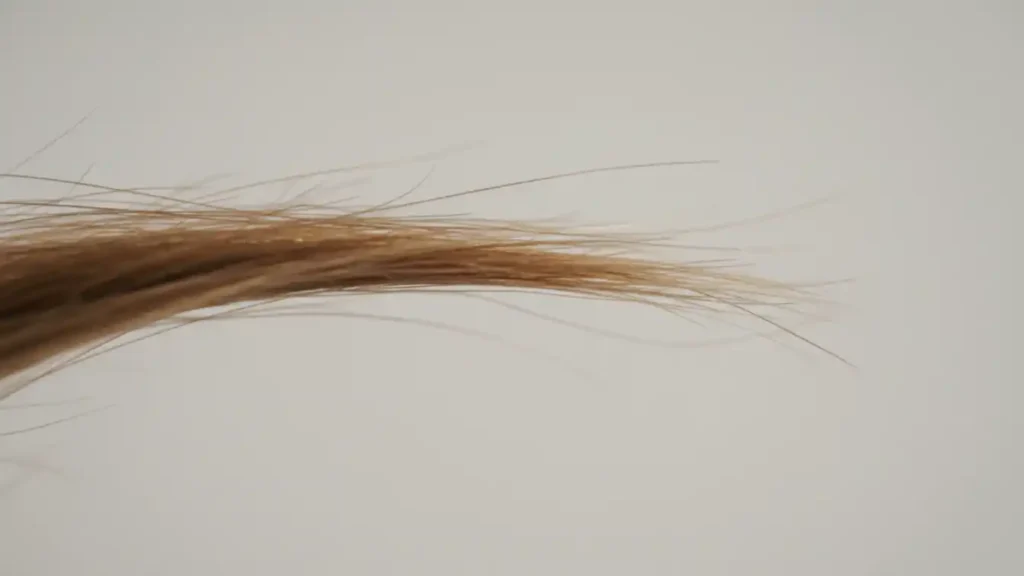
Instead of splitting, the hair gradually thins out and becomes wispy at the ends. The strand literally tapers to almost nothing.
Cause: Weakened hair fibers from damage, poor nutrition, or aging hair.
What to do: Trim them off and focus on strengthening treatments with protein and biotin.
What Causes Split Ends? The 9 Main Culprits
Understanding what causes split ends is half the battle. Here are the biggest offenders:
1. Heat Styling (The Silent Killer)
Every time you use a flat iron, curling wand, or blow dryer without proper protection, you’re basically cooking your hair. The intense heat strips away moisture and weakens the hair’s protein structure, making it brittle and prone to splitting.
In my experience, heat damage is the #1 cause of split ends for most people. I used to straighten my hair every single day in college, and my ends looked absolutely fried.
2. Chemical Treatments (The Structure Destroyer)
Bleaching, coloring, perms, and chemical straightening all alter your hair’s internal structure. These processes break down the bonds that hold your hair together, making it significantly weaker.
If you color your hair regularly like I do, you need to be extra vigilant about preventing split ends because chemically treated hair is more vulnerable to damage.
3. Rough Handling (The Accidental Damage)
Over-brushing, aggressive towel-drying, and yanking through tangles all cause mechanical stress that damages the hair cuticle. It’s death by a thousand paper cuts, basically.
4. Environmental Stressors (The Outside Enemies)
Sun exposure, wind, pollution, chlorine, salt water, and even hard water all gradually wear down your hair’s protective layer. UV rays are particularly damaging—they literally break down the protein structure of your hair.
5. Dryness and Dehydration (The Weakener)
When hair lacks moisture, it becomes brittle and inflexible. Dry hair is much more prone to breaking and splitting because it can’t withstand normal stress.
6. Tight Hairstyles (The Tension Trap)
Constantly pulling your hair into tight ponytails, buns, or braids creates tension at specific points, leading to breakage and split ends. I’m totally guilty of this—my go-to style is a high ponytail, which explains a lot.
7. Infrequent Trims (The Procrastination Problem)
When you skip regular haircuts, existing split ends have time to travel up the hair shaft, causing more damage. What could’ve been fixed with a small trim becomes a bigger problem.
8. Overwashing (The Moisture Stripper)
Washing your hair too frequently—especially with harsh shampoos containing sulfates—strips away your hair’s natural oils, leaving it dry and vulnerable to splitting.
9. Poor Nutrition (The Internal Factor)
What you eat affects your hair health. If you’re not getting enough protein, biotin, omega-3 fatty acids, and other essential nutrients, your hair will be weaker and more prone to damage.
How to Prevent Split Ends: 12 Proven Strategies
Prevention is always easier than treatment. Here’s what actually works to keep split ends at bay:
1. Get Regular Trims Every 6-8 Weeks
I know, I know—you’re trying to grow your hair long, so cutting it seems counterproductive. But here’s the truth: regular trims actually help you retain length by preventing split ends from traveling up and causing more breakage.
You don’t need to cut much. Ask your stylist for a “dusting”—they’ll trim just the very tips, removing damaged ends without sacrificing noticeable length. This small maintenance goes a long way in keeping your hair healthy.
Pro tip: Don’t wait until your ends look obviously damaged. By then, you’ll need to cut more off to fix the problem.
2. Always Use Heat Protectant (No Exceptions)
If you’re going to use heat styling tools, you absolutely must use a heat protectant spray or serum first. These products create a barrier between your hair and the high temperatures, significantly reducing damage.
I apply heat protectant to damp hair before blow-drying, and again before using my flat iron or curling wand. It might seem like overkill, but my ends are noticeably healthier since I started doing this.
Look for heat protectants with these ingredients: dimethicone (a protective silicone), panthenol (pro-vitamin B5), or keratin proteins.
3. Lower Your Heat Settings
Most people use their styling tools at way higher temperatures than necessary. Fine or color-treated hair should be styled at 300-350°F maximum. Medium hair can handle 350-400°F. Thick, coarse hair can go up to 400-450°F, but anything hotter is overkill.
Your hair doesn’t need to be scorching hot to style properly—it just needs consistent heat applied correctly.
4. Deep Condition Weekly
A deep conditioning mask or hair treatment once a week makes a huge difference in preventing split ends. These intensive treatments penetrate the hair shaft, replenishing moisture and strengthening the hair from within.
My routine: I apply a deep conditioning mask to clean, damp hair, comb it through with a wide-tooth comb, then let it sit for 20-30 minutes before rinsing. Some people even sleep in them overnight for extra intense hydration.
Best ingredients to look for: argan oil, coconut oil, shea butter, keratin, hydrolyzed proteins.
5. Be Gentle When Detangling
Wet hair is at its most vulnerable. Never brush soaking wet hair with a regular brush—you’ll cause massive breakage. Instead, use a wide-tooth comb or a specialized wet detangling brush.
The right technique: Start from the ends and work your way up, gently easing through tangles. If you hit a knot, hold the hair above it to prevent pulling on your scalp, then carefully work through it.
6. Switch Your Towel-Drying Method
Rubbing your hair vigorously with a towel creates friction that damages the cuticle and causes frizz and split ends. Instead, gently squeeze out excess water, then wrap your hair in a microfiber towel or soft t-shirt.
The plopping method: For curly hair, flip your head over, let your curls fall into the t-shirt, then wrap it up. This reduces frizz and encourages curl definition without roughing up the cuticle.
7. Protect Your Hair While Sleeping
Tossing and turning all night creates friction between your hair and your pillowcase, leading to tangles and breakage. Switching to a silk or satin pillowcase reduces this friction dramatically.
Alternatively, you can wear a silk sleep cap or put your hair in a loose braid before bed. Just make sure the braid isn’t too tight—you don’t want to create tension damage.
8. Limit Chemical Treatments
If you color, bleach, or chemically straighten your hair, try to space out treatments as much as possible. The longer you can wait between chemical processes, the more time your hair has to recover.
If you must do chemical treatments: Always go to a professional who uses quality products and knows how to minimize damage. And invest in bond-building treatments that help repair broken protein bonds.
9. Use Cooler Water for Washing
Hot water swells the hair cuticle and strips away natural oils, leaving hair dry and prone to damage. Lukewarm water is gentler, and rinsing with cool water at the end helps seal the cuticle for extra smoothness and shine.
I know cold rinses aren’t fun, but they really do make a difference. Your hair will look shinier and feel softer.
10. Choose the Right Hair Products
Avoid shampoos and conditioners with harsh sulfates (like sodium lauryl sulfate) that strip your hair. Look for gentler cleansers and moisturizing formulas designed for your hair type.
For damaged hair: Choose products with strengthening proteins, hydrating oils, and bond-repairing ingredients.
11. Don’t Overwash Your Hair
Unless you have very oily hair or work out intensely every day, you probably don’t need to wash your hair daily. Overwashing strips natural oils that protect and moisturize your hair.
My schedule: I wash 2-3 times per week and use dry shampoo on the in-between days. This has made a huge difference in my hair’s overall health.
12. Nourish Your Hair from Within
What you eat matters just as much as what you put on your hair. Make sure you’re getting enough:
- Protein: The building block of hair (found in eggs, chicken, fish, beans)
- Biotin: Strengthens hair and promotes growth (eggs, nuts, sweet potatoes)
- Omega-3 fatty acids: Add moisture and shine (salmon, walnuts, flaxseeds)
- Vitamin E: Protects against environmental damage (almonds, avocados, spinach)
- Iron: Prevents hair loss and weakness (red meat, lentils, dark leafy greens)
How to Treat Split Ends: What Actually Works
Here’s the hard truth: once your hair has split, you can’t permanently “repair” it. The only real fix is cutting them off. However, there are ways to temporarily improve their appearance and prevent further damage while you wait for your next trim.
Step 1: Assess the Damage
Look at your hair in natural light. Identify what types of split ends you have and how far up the damage has traveled. This will help you decide how much hair needs to be trimmed.
Step 2: Get a Strategic Trim
Don’t just chop off inches in panic. Work with a good stylist who can assess your hair and remove only what’s necessary. Explain that you’re trying to maintain length while addressing damage.
Ask for: A dusting, micro trim, or “search and destroy” method where they only trim visibly damaged ends.
Step 3: Start a Repair Routine
Immediately after your trim, implement all the prevention strategies we talked about. This is your fresh start—don’t waste it.
The first week post-trim:
- Deep condition 2x
- Apply leave-in treatments to your ends daily
- Avoid heat styling if possible
- Sleep on a silk pillowcase
Step 4: Use Split End Treatments
While they won’t permanently fix split ends, these products can temporarily seal and smooth frayed ends, making hair look healthier:
Hair oils: Argan oil, coconut oil, or jojoba oil applied to damp or dry ends Leave-in conditioners: Lightweight formulas that provide ongoing moisture Split end serums: Products specifically designed to coat and smooth damaged ends Protein treatments: Help strengthen weakened hair structure
Step 5: Try These DIY Treatments
Between salon visits, these at-home treatments can help improve the appearance and feel of damaged hair:
Coconut Oil Overnight Treatment: Warm 2-3 tablespoons of coconut oil, massage it into your ends (and throughout your hair if it’s very dry), then sleep with it wrapped in a towel or shower cap. Shampoo in the morning.
Egg and Olive Oil Mask: Mix 1 egg with 2 tablespoons olive oil and 1 tablespoon honey. Apply to damp hair, leave for 30 minutes, then rinse with cool water and shampoo.
Avocado and Banana Mask: Mash together half an avocado and one ripe banana, add 1 tablespoon coconut oil. Apply to hair, leave for 20-30 minutes, rinse thoroughly.
Aloe Vera Treatment: Apply fresh aloe vera gel to your hair, focusing on the ends. Leave for 30 minutes before washing out. Aloe is incredibly moisturizing and soothing.
Table: Best Ingredients for Preventing and Treating Split Ends
| Ingredient | Benefits | Best For | How to Use |
| Argan Oil | Rich in vitamin E and fatty acids; adds moisture and shine | All hair types, especially dry or frizzy hair | Apply 2-3 drops to ends of damp or dry hair |
| Coconut Oil | Penetrates hair shaft; prevents protein loss | Medium to thick hair; can be heavy for fine hair | Weekly mask or daily on ends |
| Keratin | Rebuilds hair structure; strengthens weak strands | Damaged, chemically treated, or heat-styled hair | Look for in shampoos, conditioners, and treatments |
| Biotin | Strengthens hair; reduces breakage | Thinning or weak hair | Take as supplement or use in topical treatments |
| Shea Butter | Intense moisture; seals cuticle | Very dry, coarse, or curly hair | In deep conditioning masks or leave-in products |
| Silk Proteins | Smooths cuticle; adds shine | Fine to medium hair | In conditioners and styling products |
| Panthenol (Pro-Vitamin B5) | Attracts and retains moisture | All hair types | In leave-in conditioners and heat protectants |
Common Mistakes That Make Split Ends Worse
Let’s talk about what NOT to do, because sometimes knowing what to avoid is just as important as knowing what to do.
Mistake #1: Using regular scissors to trim your own hair Dull scissors or regular paper scissors will literally tear your hair instead of making a clean cut how to prevent and treat split end. If you’re going to trim your own hair, invest in proper hair-cutting shears.
Mistake #2: Only conditioning your ends Your entire hair shaft needs moisture, not just the ends. Apply conditioner from mid-length down for best results.
Mistake #3: Brushing from roots to ends This drags tangles down and creates more knots. Always brush from the ends up.
Mistake #4: Using too many products Product buildup can weigh hair down and make it look dull. Use what you need, but don’t go overboard.
Mistake #5: Skipping heat protectant “just this once” Damage is cumulative. Every time counts.
When to See a Professional
Sometimes DIY treatments aren’t enough, and that’s okay. You should consult a professional hairstylist if:
- Your split ends have traveled more than 2-3 inches up the shaft
- You have extensive heat damage or chemical damage
- Your hair is breaking off in chunks
- You notice significant thinning or bald patches
- You’ve tried everything and nothing is working
A good stylist can assess your hair’s condition, recommend professional treatments (like keratin treatments or Olaplex), and create a customized plan to restore your hair’s health.
They might suggest:
- Bond-building treatments: Repair broken protein bonds at a molecular level
- Protein treatments: Strengthen weak hair structure
- Keratin treatments: Smooth the cuticle and reduce frizz
- Hot oil treatments: Deep moisturizing salon treatments
Preventing Split Ends in Different Hair Types
Not all hair is created equal, and different hair types have different needs when it comes to preventing split ends.
Fine Hair
Fine hair is more delicate and prone to breakage. Use lightweight products that won’t weigh hair down, and be extra gentle when detangling. Avoid heavy oils that can make fine hair look greasy.
Thick Hair
Thick hair can handle richer treatments but often struggles with dryness at the ends. Focus on deep conditioning and using generous amounts of leave-in treatments on the lower half of your hair.
Curly Hair
Curly and coily hair types are naturally drier because the oils from your scalp have a harder time traveling down the spiral. The Curly Girl Method emphasizes moisture, gentle handling, and avoiding sulfates and silicones.
Key for curly hair: Deep condition weekly, use leave-in products, and avoid harsh brushing when dry.
Color-Treated Hair
If you color or bleach your hair, you’re at higher risk for split ends because chemical treatments weaken the hair structure. Use sulfate-free products designed for color-treated hair, and consider weekly protein treatments.
The Bottom Line: You CAN Beat Split Ends
Listen, I get it. Split ends are frustrating, and it feels like an uphill battle sometimes. But here’s what I want you to remember: healthy hair is absolutely achievable, even if your hair has been through the wringer.
The key is consistency. You can’t just do a deep conditioning treatment once and expect miracles. You need to commit to a routine that protects your hair, nourishes it, and prevents damage before it happens.
Start with these three non-negotiables:
- Get regular trims every 6-8 weeks
- Always use heat protectant before styling
- Deep condition at least once a week
Everything else is bonus—but these three things alone will make a massive difference in your hair’s health.
Ready to Transform Your Hair?
You now have all the knowledge you need to how to prevent and treat split end. The question is: are you ready to put it into action?
Start small if you need to. Pick 2-3 changes from this guide and implement them this week. Maybe it’s switching to a silk pillowcase and using heat protectant. Maybe it’s booking that trim you’ve been putting off and committing to weekly deep conditioning.
Whatever you choose, just start. Your future self—with healthy, shiny, split-end-free hair—will thank you.