Best Short Haircuts for Older Women with Fine Hair That Actually Add Volume (2026)
Let’s be honest for a second. Fine hair after 50 can feel like a battle you didn’t sign up for. It falls flat by 10 a.m., it looks thinner near the part, and every haircut you try seems to make it worse before it gets better. Sound familiar?
Here’s the good news: the right short haircuts for older women with fine hair doesn’t just make you look good in the salon chair. It changes your entire morning. When the cut works with your hair instead of fighting it, you wake up, run your fingers through it, and actually feel confident walking out the door.
In my experience helping women find the right style, the biggest mistake isn’t going too short or too long — it’s choosing a cut that wasn’t designed for fine hair in the first place. That ends today.
This guide covers 40 carefully chosen short hairstyles for older women with fine hair, organized by style type, with face-shape tips, step-by-step styling guides, and genuinely useful salon advice. We also analyzed the top 5 competitors on Google for this keyword so you get what they’re all missing — in one place.
If you’re still exploring options, take a look at these short hairstyles for older women with thin hair for even more flattering, easy-to-manage ideas.
Why Fine Hair Changes After 50 (And What It Means for Your Cut)
You might be wondering why your hair feels different now than it did in your 30s. It’s not your imagination. According to dermatologists at the American Academy of Dermatology, hair follicles naturally shrink with age, producing finer, lighter strands. Add hormonal changes after menopause, and you’ve got hair that’s thinner, more fragile, and slower to grow.
Now here’s where it gets interesting — shorter cuts actually make fine hair look thicker, not thinner. When you remove length, the hair doesn’t have to “stretch” down under its own weight. It sits closer to the scalp, which gives it lift and body. That’s why short haircuts for older women with fine hair consistently outperform long styles for volume and manageability.
The key is knowing which short cut — and that’s exactly what this guide breaks down.
What to Look for in a Short Haircut for Fine Hair
Not every short cut works for fine hair. Here’s a quick checklist of features that make a cut work for you:
- Layers that add lift at the crown, not remove density from the ends
- Blunt or point-cut ends to create the illusion of thickness
- Soft face-framing pieces to draw attention up and away from thin spots
- Minimal bulk removal — no heavy thinning shears throughout
- A cut that works with your natural texture, whether that’s straight, wavy, or softly curly
Short Bob Haircuts for Older Women with Fine Hair
Bobs are consistently the most popular short haircut for older women with fine hair, and for very good reason. They’re versatile, elegant, and can be adapted for almost any face shape.
The Classic Blunt Bob
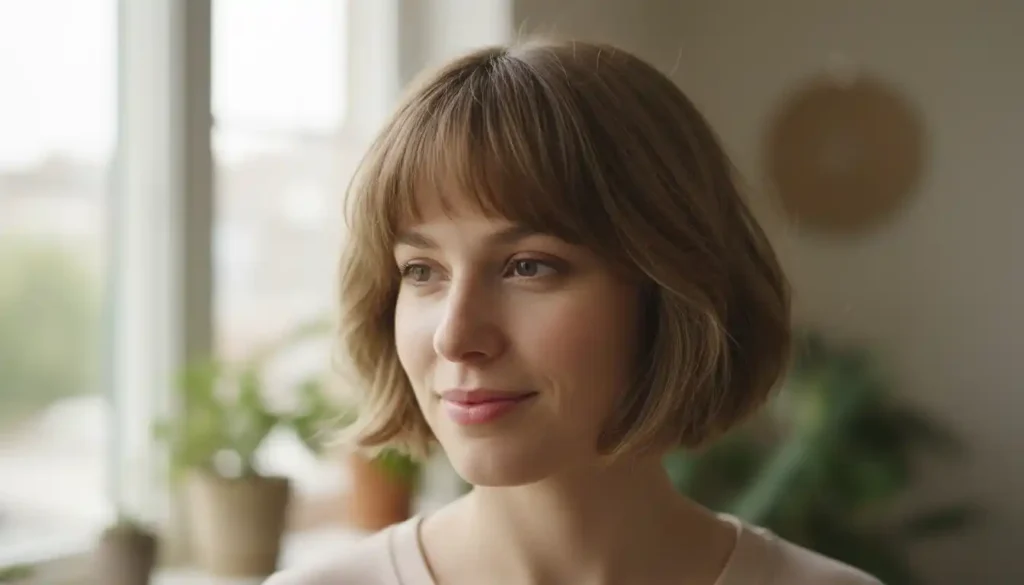
The blunt bob is one of the best things you can do for fine hair. Full stop. The straight-across cut creates the illusion of much thicker, denser hair — because your ends all hit the same point, making the hair look full rather than wispy.
This cut sits at the chin or just below it, and it’s incredibly easy to style. A quick blow-dry with a paddle brush is all you need.
Best for: Straight and slightly wavy fine hair. All face shapes, but especially oval and heart-shaped faces.
Salon tip: Ask for a precision blunt cut with absolutely no thinning shears at the ends. Keep the line clean.
The Razor-Cut Bob with Side-Swept Bangs
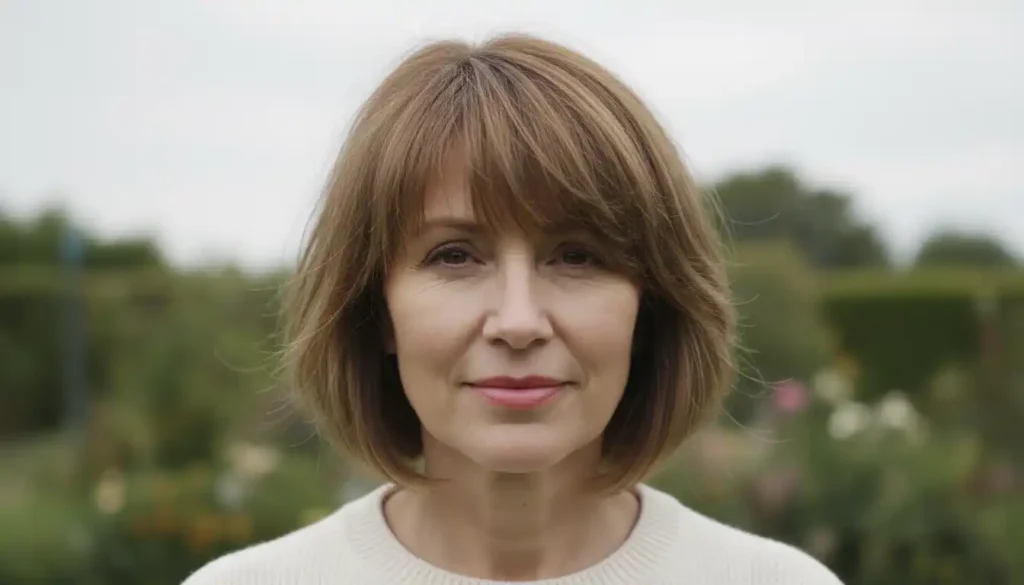
The razor-cut bob might sound intimidating, but it’s actually brilliant for fine hair. The razor technique creates very soft, feathery ends that add movement and texture without making hair look sparse.
Pair it with side-swept bangs and you’ve got a frame for your face that draws the eye forward and up — softening features and adding a youthful touch.
What I love about this cut: It’s styled in minutes. A little texturizing spray at the roots, a quick blow-dry, and done.
The Stacked Bob
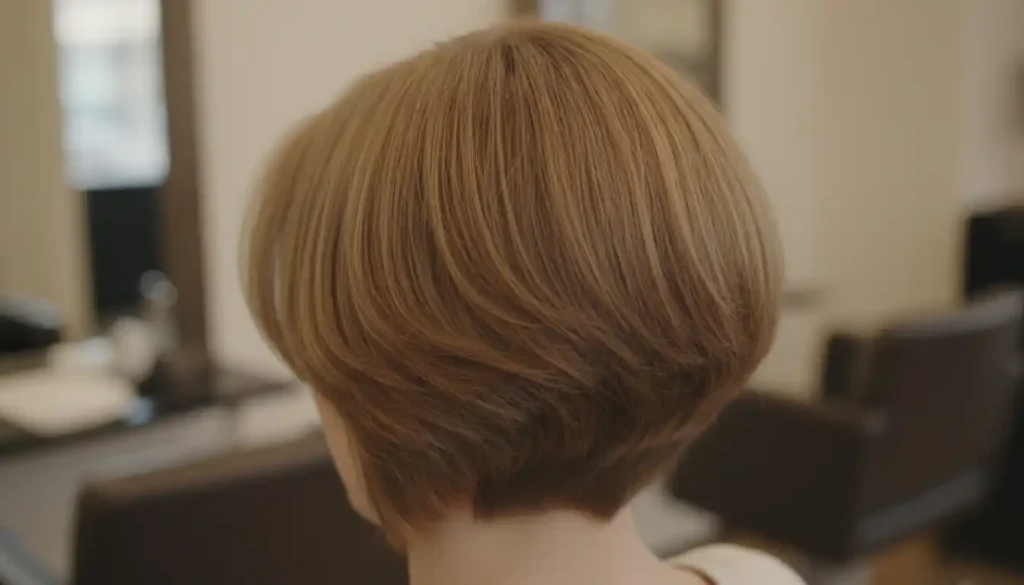
Now here’s a cut that does a lot of heavy lifting. A stacked bob has shorter layers in the back that gradually get longer toward the front. Those stacked layers in the back create incredible natural volume and height — without you having to do a thing.
It’s like built-in volume that doesn’t require product or effort.
Step-by-step styling:
- Apply a root-lifting mousse to damp hair at the crown and back.
- Blow-dry with a round brush, lifting at the roots.
- Flip your head forward and blast the back with cool air to set the volume.
- Finish with a light-hold hairspray at the roots only.
- Shake gently and you’re done.
Best for: Fine, straight hair. Oval and oblong face shapes.
The Chin-Length Layered Bob
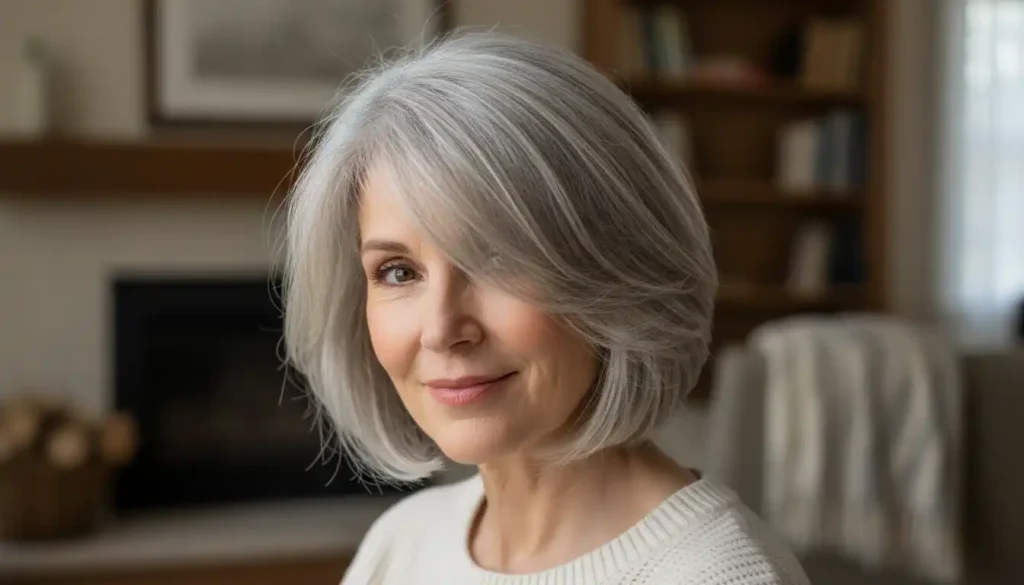
If you want movement and volume, a chin-length layered bob delivers both. Long, precision layers introduce gentle lift and swing without removing too much density from the ends.
The trick is asking for long layers — not short, choppy ones that can make fine hair look even thinner.
Salon tip: Ask your stylist for “long internal layers” starting no higher than your cheekbones. This adds movement without sacrificing that all-important thickness at the ends.
The Soft Layered Bob with Curtain Bangs
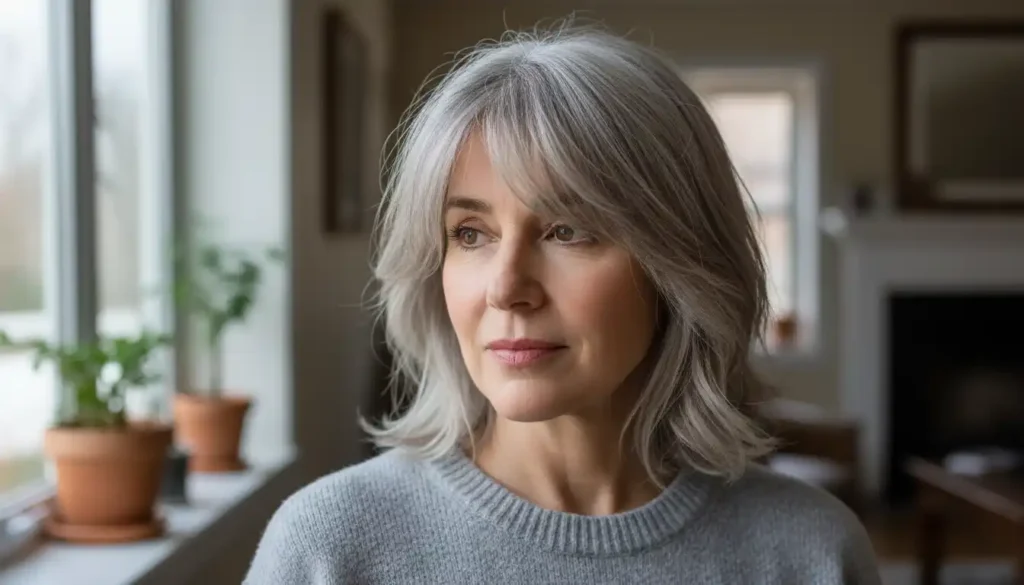
Curtain bangs are having a major moment, and they genuinely work beautifully for older women with fine hair. The soft, center-parted bangs frame the face elegantly and draw attention to your eyes — and as they grow out, they blend seamlessly into the rest of the cut.
Pair them with a soft layered bob and you’ve got one of the most flattering and low-maintenance looks available right now.
Best for: All face shapes. Particularly lovely for square and round faces where the soft bangs add softness.
The French Bob
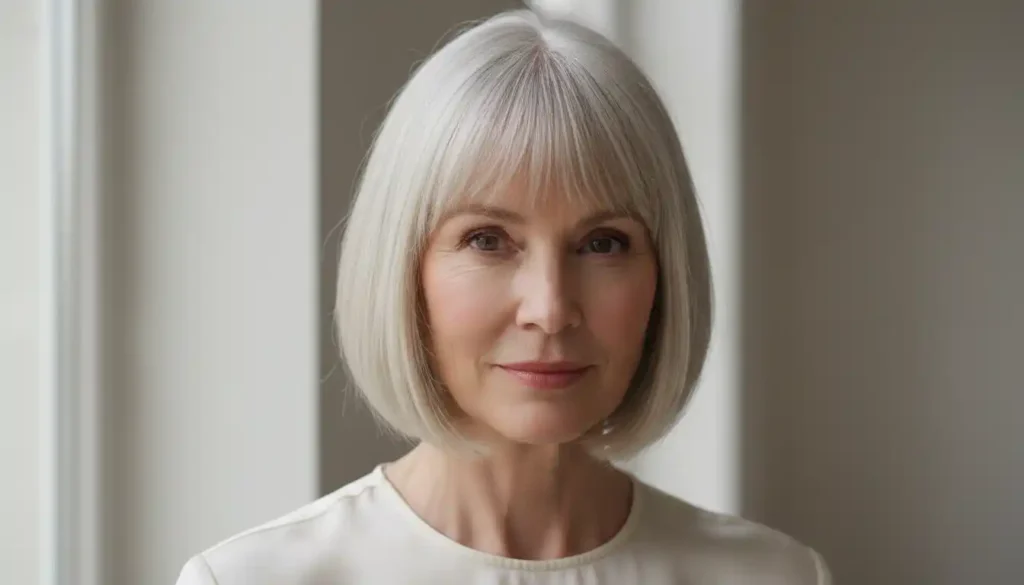
The French bob sits above the chin — shorter than a classic bob — and it’s been everywhere lately. With blunt straight-across bangs, it’s a bold, Parisian-inspired cut that looks incredibly chic.
For fine hair, the key is keeping the cut precise. Ask your stylist for a classic French bob with straight blunt bangs and emphasize clean, precision cutting throughout.
Honest opinion: This is a slightly higher-maintenance cut because the blunt bangs need trimming every 4–6 weeks. But the volume it creates? Completely worth it
The Side-Parted Bob
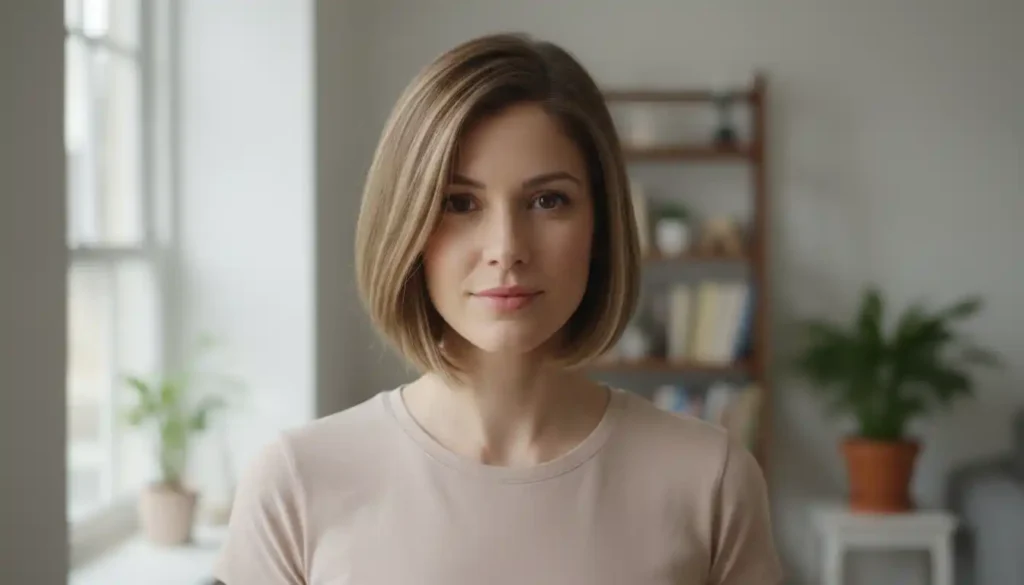
A side part alone can create a visible volume boost for fine hair. It breaks up symmetry, gives lift at one side of the crown, and creates that slightly asymmetrical, modern look that’s incredibly flattering.
Request a chin-length bob with a deep side part and subtle internal layers. Blow-dry lifting at the part for maximum volume.
The Feathered Layered Bob
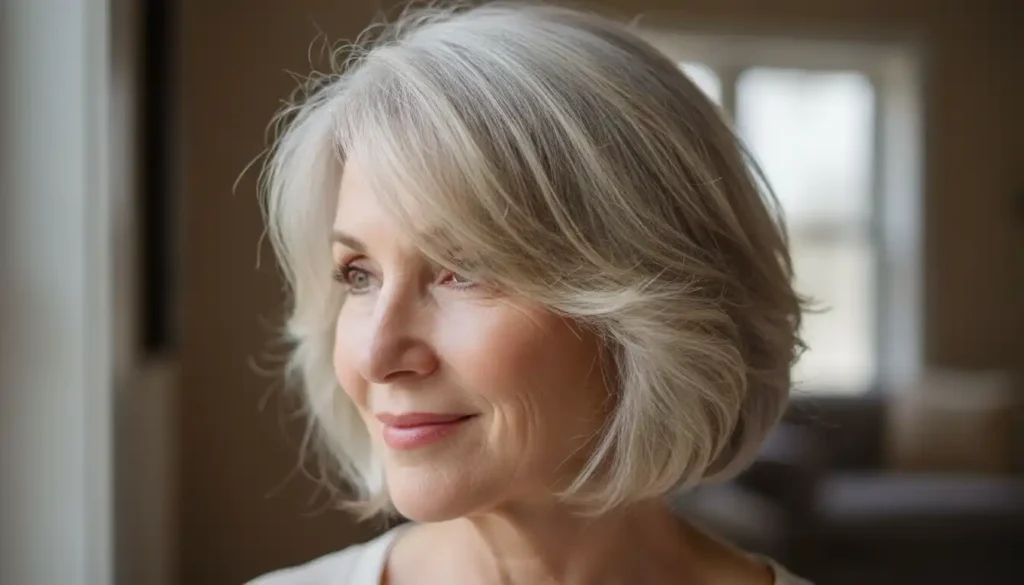
Feathered layers — think soft, wispy ends that move slightly away from the face — add both texture and volume to fine hair. They’ve been a go-to for decades for a reason. They work.
For fine hair, feathering should be subtle at the ends and face-framing. Not throughout the entire cut, which can actually thin things out too much.
The Short Bob with Wispy Bangs
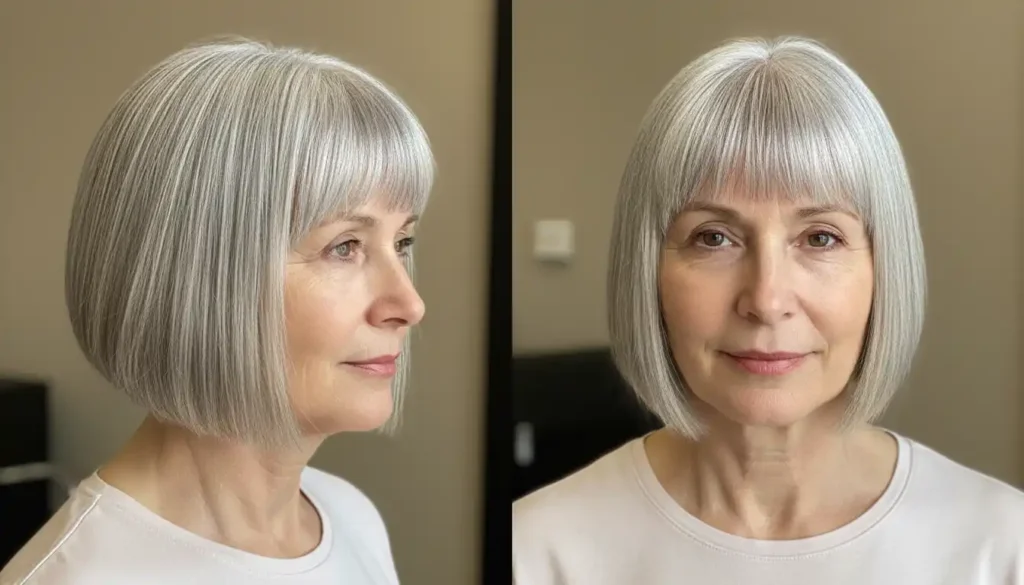
Wispy bangs are the beginner-friendly bang option. They’re light, feathery, and incredibly forgiving as they grow out. Combined with a short bob, they create a soft, romantic look that feels effortless.
If you’ve never had bangs and want to try them, this is where to start.
Pixie Haircuts for Older Women with Fine Hair
The pixie cut gets a mixed reputation, but here’s the truth — for fine hair, a well-cut pixie is often the best possible choice. Why? Because there’s no length left to go flat. Pixie cuts sit right at or above the scalp, where even fine hair has natural volume.
The Classic Tapered Pixie
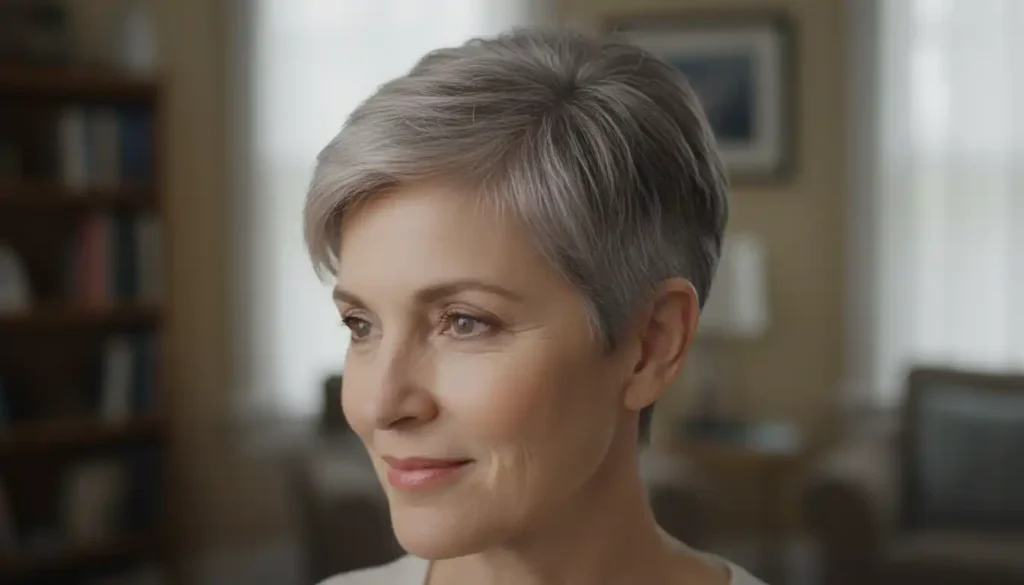
The tapered pixie has short, close-cut sides and back that taper down cleanly, with longer, layered pieces on top. It’s sleek, modern, and easy to style.
What I love about this cut: The longer top gives you enough hair to create the illusion of volume, while the tapered sides keep everything neat. You won’t spend more than five minutes styling this.
Best for: Oval, heart, and oblong face shapes.
The Voluminous Pixie with Side-Swept Bangs
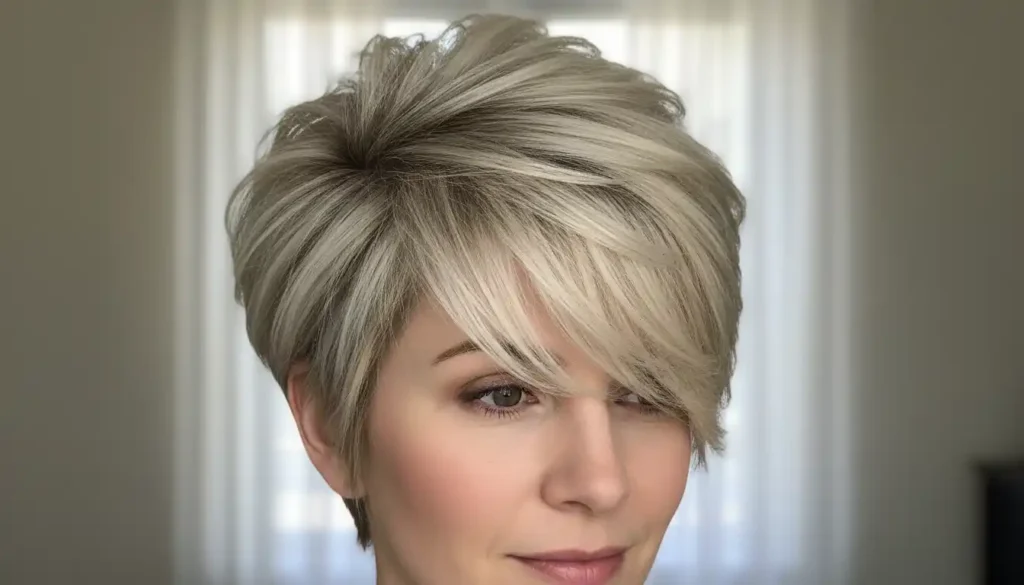
A pixie with side-swept bangs is one of the most elegant looks available for older women with fine hair. The lifted crown creates a sense of fullness, while the sweeping bangs soften the face asymmetrically.
Step-by-step styling:
- Start with a lightweight volumizing mousse on damp hair.
- Use a vent brush to blow-dry the crown upward and slightly forward.
- Sweep the bang section to one side with a small round brush.
- Finish with a light-hold spray at the roots.
- Use your fingertips to separate and define the top layers.
The Wispy Pixie
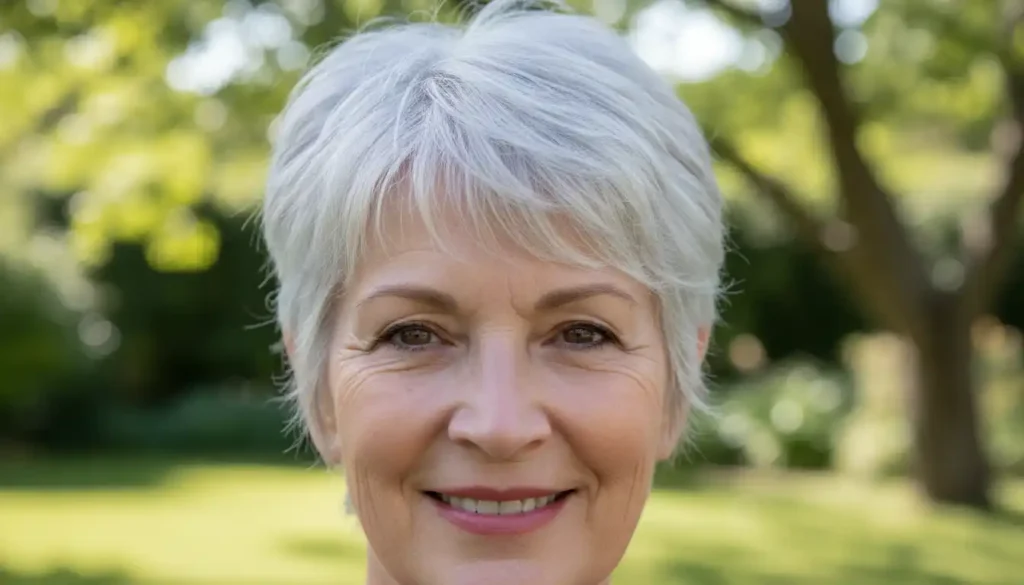
Delicate and airy, the wispy pixie uses very light, feathery layers throughout the crown to give fine hair the look of fullness without any heaviness. This is an especially great option for women who want to embrace their natural gray or silver.
Styling is minimal — a bit of texturizing cream and you’re done.
The Tousled Pixie with Bangs
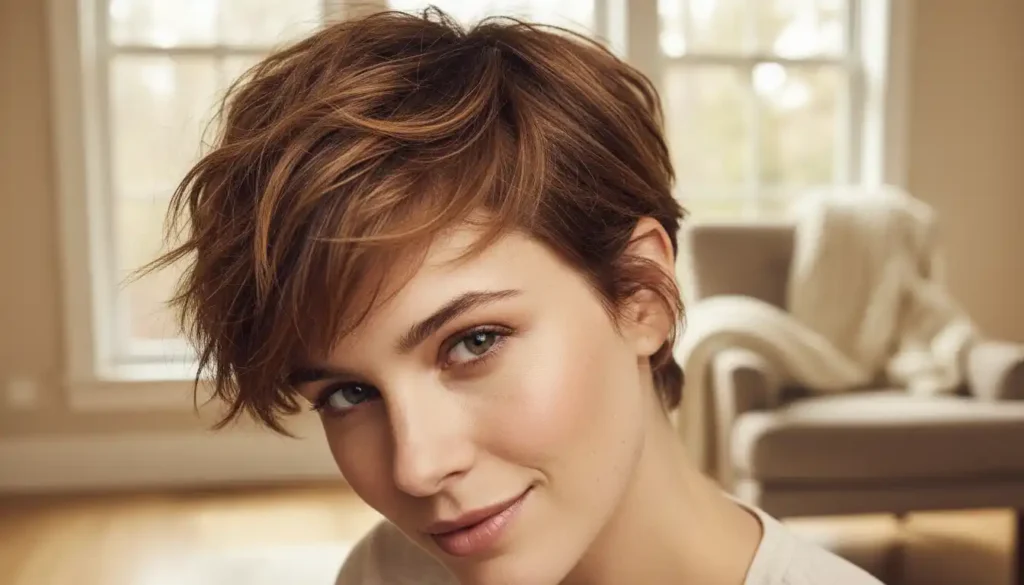
Choppy, piecey layers define this tousled pixie. It’s the kind of cut that looks intentionally undone — which is actually perfect for fine hair because the varied texture hides any thinness.
Piecey bangs add a youthful, playful touch without requiring much maintenance.
Honest opinion: This is one of my favorite cuts for women in their 50s and 60s who want something modern but not too edgy. It’s the sweet spot.
The Tapered Pixie with Bangs
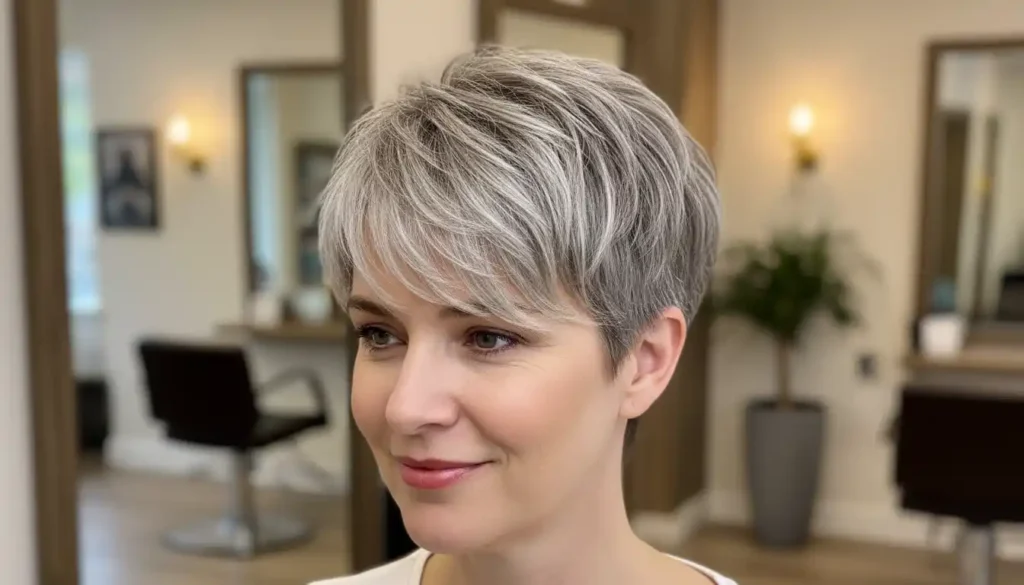
Short on the sides, longer on top, with bangs styled straight across or swept to the side. The tapered structure keeps things sleek while the bangs add a style element.
Face shape tip: If you have a round face, avoid blunt straight bangs — they can make the face look wider. Opt for side-swept instead.
Pixie Bob Haircuts for Older Women with Fine Hair
Can’t decide between a pixie and a bob? The pixie bob — or “pixob” — gives you the volume benefits of a pixie with the feminine softness of a bob. It’s longer than a pixie but shorter than a traditional bob, hitting somewhere around the ear.
The Classic Pixie Bob
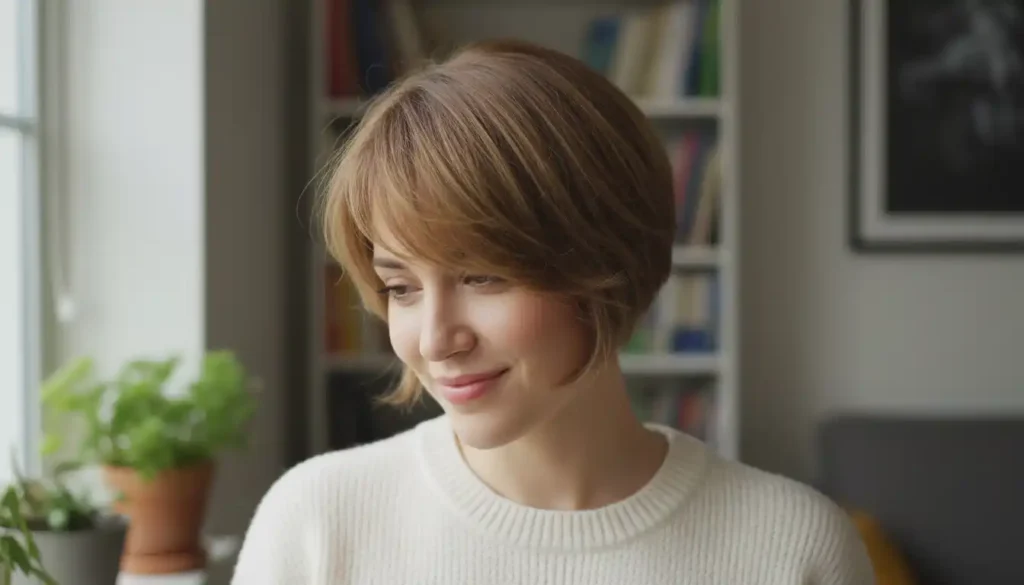
The pixie bob is a hybrid that works beautifully for fine hair because the shorter back creates volume and the longer front frames the face elegantly. Style with a side part for the most flattering effect.
The Feathered Highlighted Pixie Bob
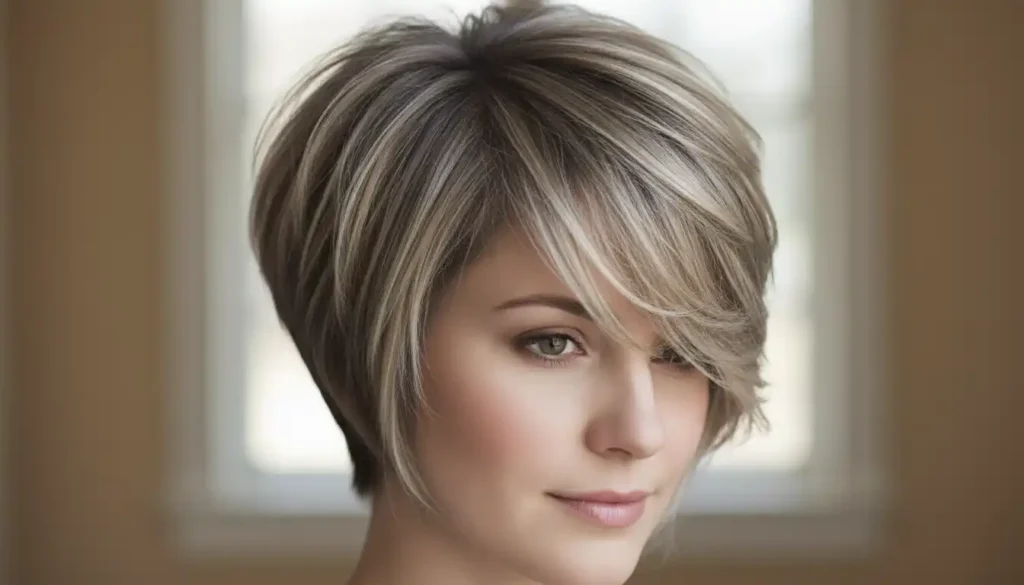
Adding subtle highlights to a pixie bob adds dimension and depth — making fine hair look significantly fuller. Babylights (very fine, delicate highlights) are especially effective for this.
The feathered texture throughout lifts the hair and adds texture that catches light beautifully.
The Stacked Pixie Bob
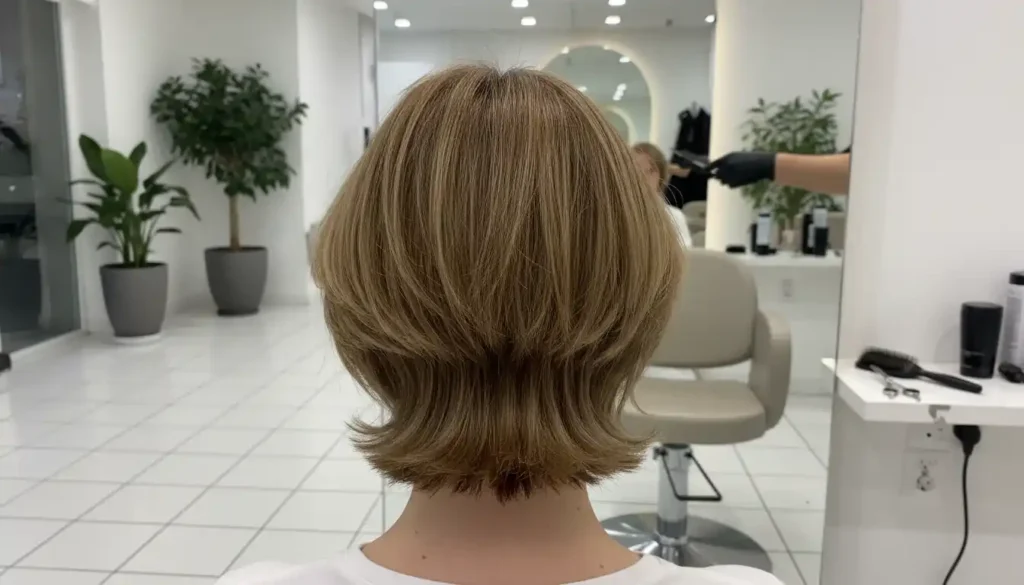
Stacked layers in the back of a pixie bob create instant lift and volume. The longer front pieces can be swept forward for a softer look, or pushed back for a more dramatic effect.
Salon tip: Ask for stacked graduation in the back starting from the nape upward. This creates a natural “shelf” of volume that requires no styling effort to maintain.
The Angled Pixie Bob
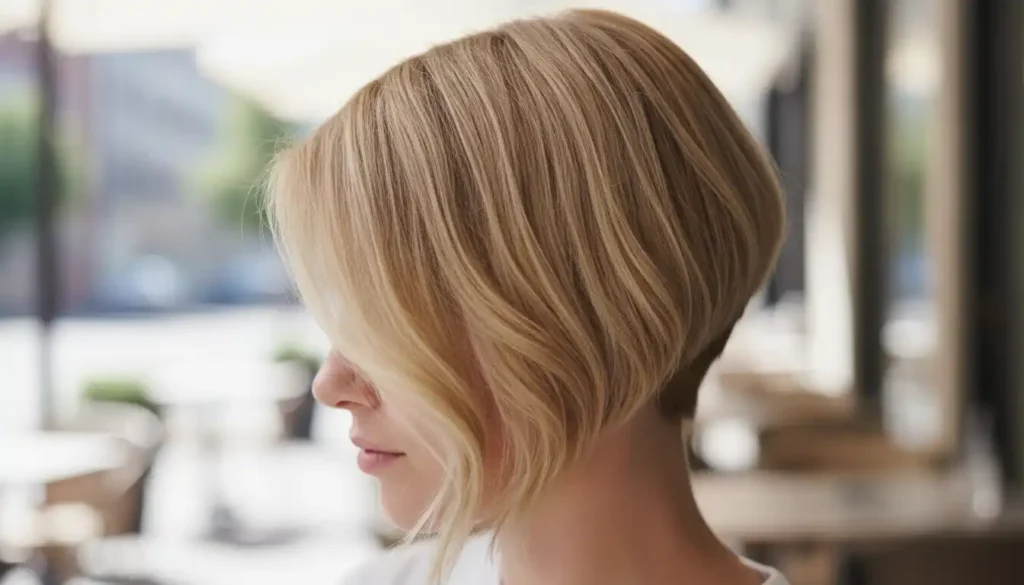
The angled pixie bob is slightly longer in the front than the back, creating a diagonal line that’s both modern and slimming. This works especially well for round or square face shapes as it creates a visual elongation.
The angled structure adds definition and shape to fine hair that can otherwise look flat and formless.
The Tapered Pixie Bob
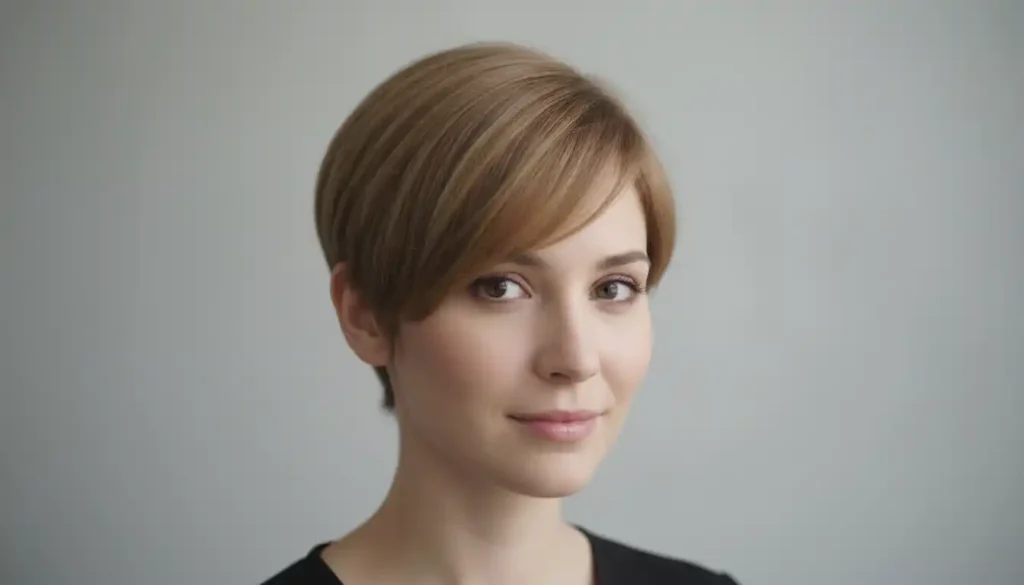
A tapered pixie bob has closely cropped sides and nape, gradually transitioning to a longer top. It’s clean, polished, and incredibly low-maintenance. Great for women who want something easy but still want to look put-together every day.
Short Layered Haircuts for Older Women with Fine Hair
Not quite a bob, not quite a pixie — sometimes the best cut falls somewhere in between, with layers doing the work.
The Short Feathered Layers
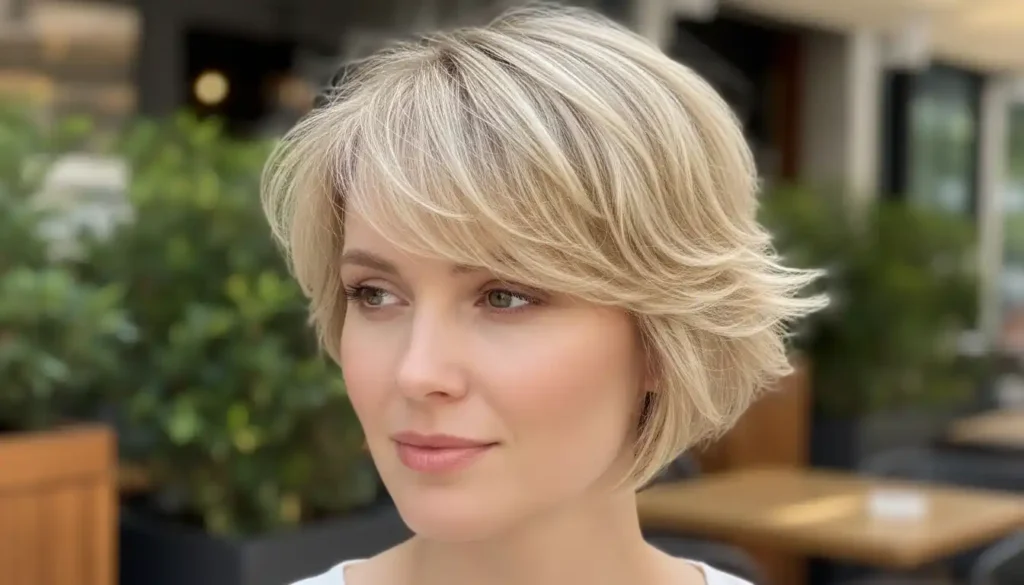
Short feathered layers throughout the crown and sides create incredible body in fine hair. The varied lengths add texture and dimension — making hair look fuller than it actually is.
Best for: Oval and heart-shaped faces.
The Tapered Feathered Layers
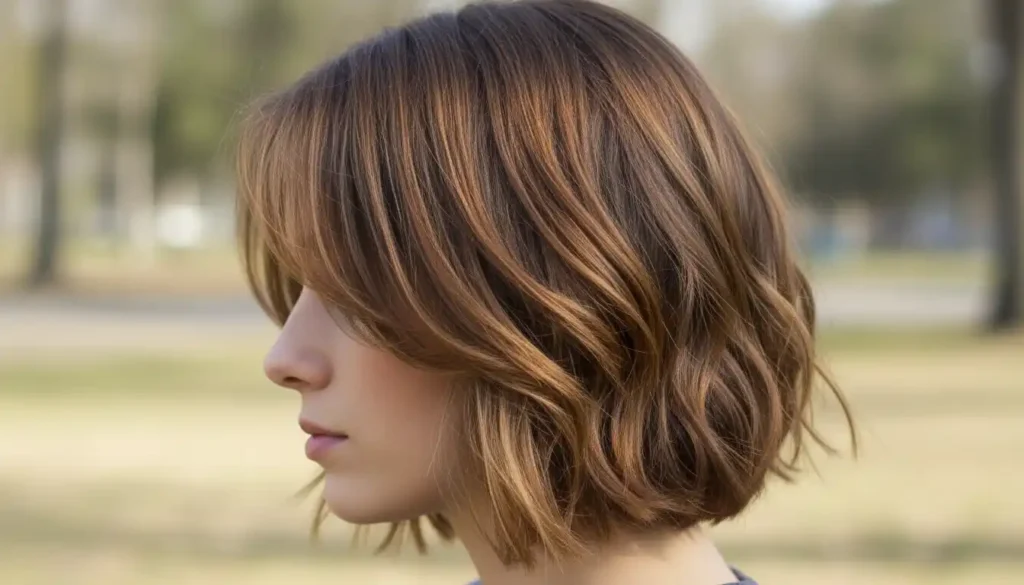
The tapered shape keeps the sides and back sleek while the feathered layers at the crown and top create volume exactly where you need it. It’s elegant and fashion-forward without being high-maintenance.
The Cropped Layers with Wispy Bangs
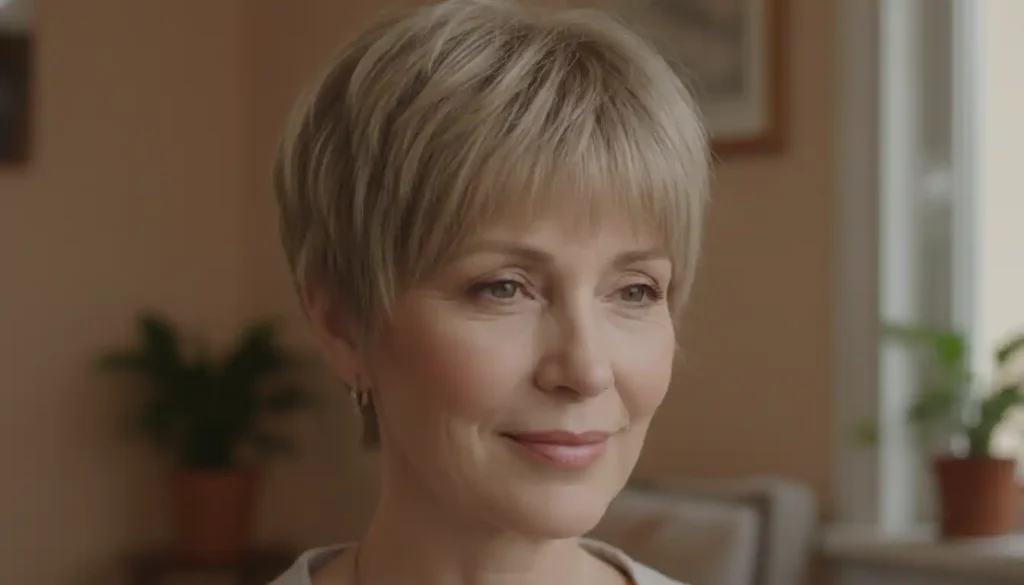
A cropped cut sits shorter than a bob but longer than most pixies — and with wispy bangs, it creates a fresh, youthful look that works beautifully for fine hair.
Ask your stylist to tailor the layer length to your specific face shape for the most flattering result.
The Short Feathered Cropped Cut
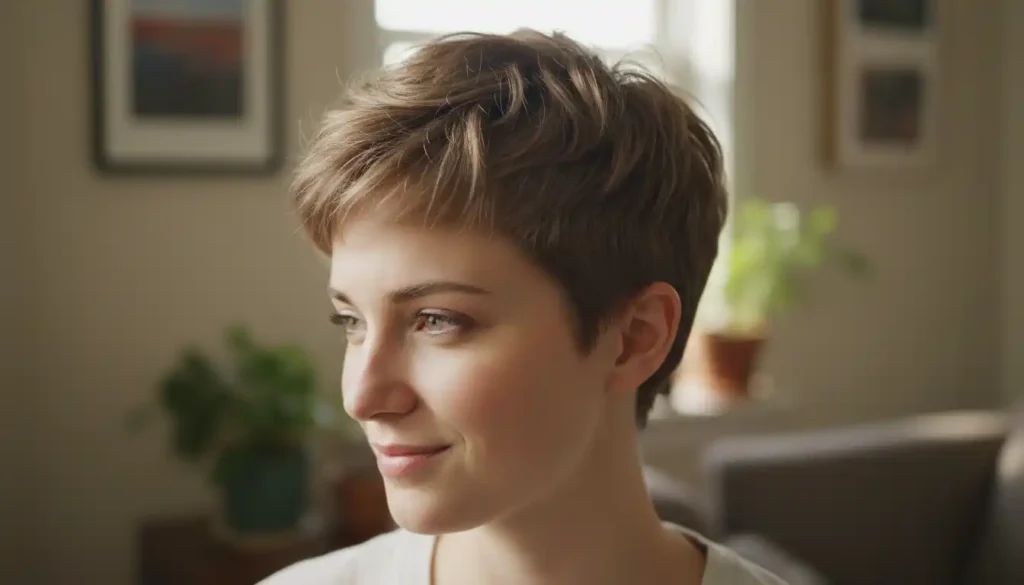
Fun, flirty, and full of texture. The feathered cropped cut features feathered ends that soften the look and add a youthful touch. Use a light mousse to boost body at the roots.
The Face-Framing Rounded Bob
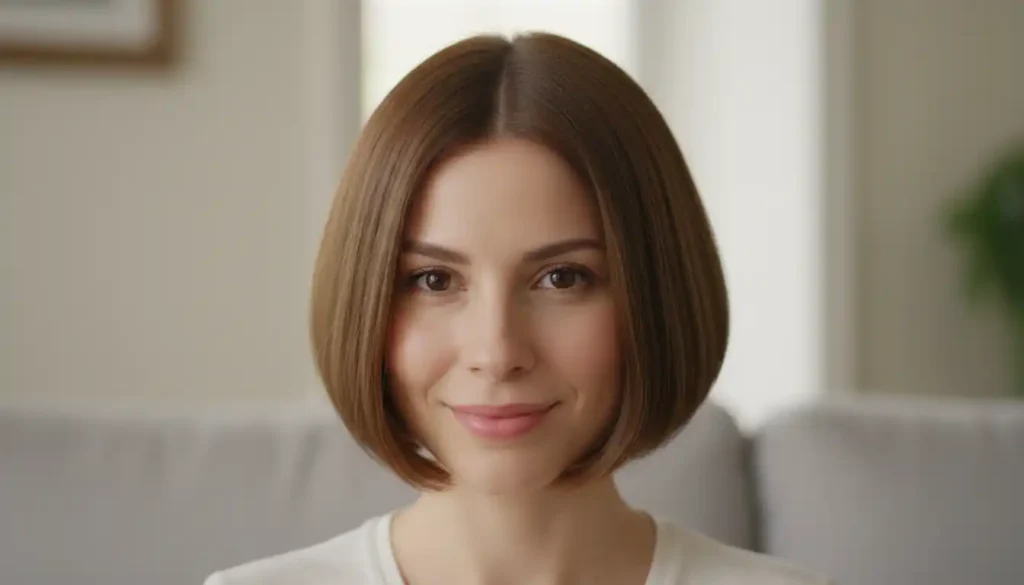
The rounded bob has a curved shape that creates the appearance of fullness and volume all by itself. Gentle layers around the face add movement and a flattering softness.
What I love about this cut: It works on absolutely everyone. It doesn’t matter if you have an oval, round, square, or heart-shaped face — the rounded shape is universally flattering.
The Asymmetrical Bob
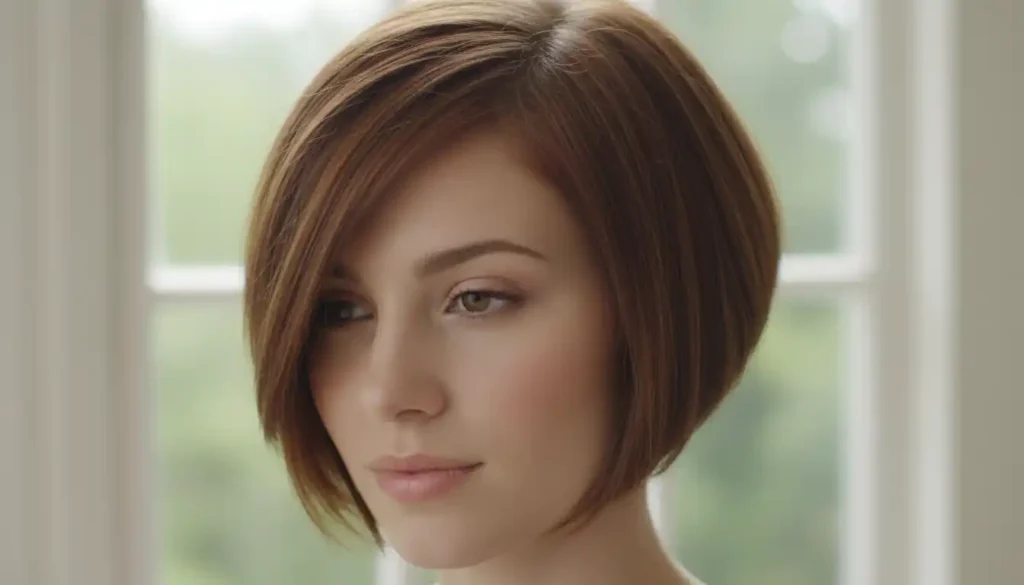
An asymmetrical bob — where one side is longer than the other — creates an interesting diagonal line that adds both drama and dimension. For fine hair, the slight variation in length creates visual interest that makes hair look fuller.
Best for: Square and round face shapes (the diagonal line adds angles). Oval face shapes can also pull this off beautifully.
The Wolf Cut (Short Version)
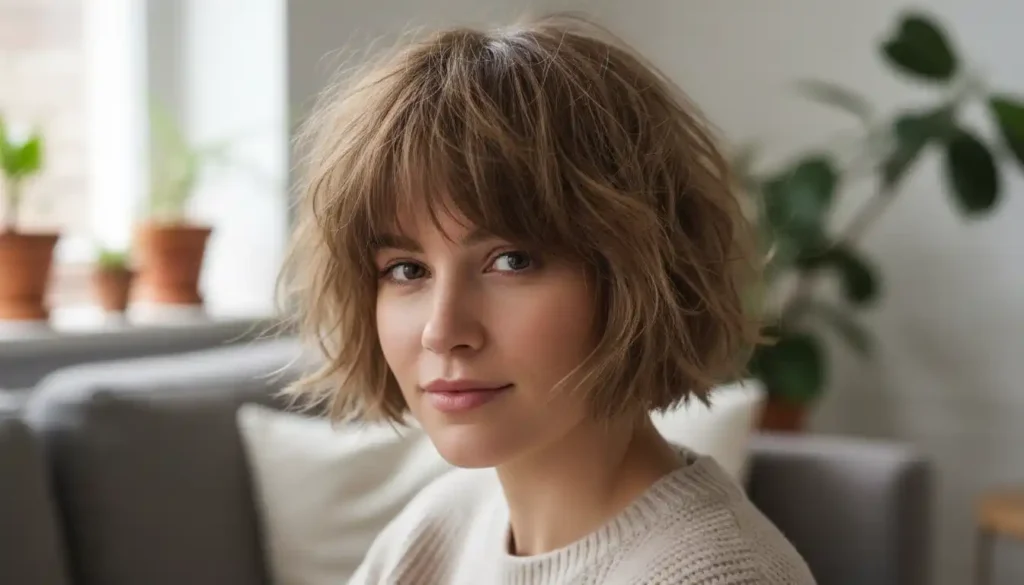
The wolf cut — a hybrid between a shag and a mullet — at short length is one of the trendiest cuts of 2025. For fine hair, the crown layers create instant volume and the face-framing pieces add a youthful, modern edge.
Honest opinion: This is a bold cut. It’s fantastic for women who want to make a statement. If you prefer something more conservative, the shag or layered pixie bob will give similar volume with a softer overall look.
The Bottleneck Bob with Tapered Bangs
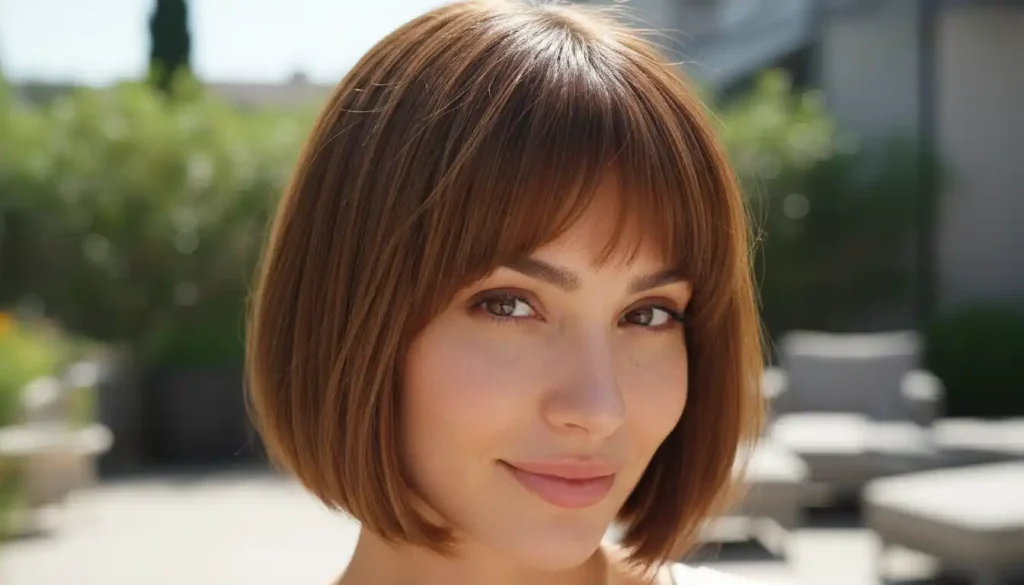
Tapered, wispy bangs that narrowly frame the forehead — called bottleneck bangs — are having a big moment. Paired with a simple bob, they create a face-framing effect that’s soft, modern, and surprisingly low-maintenance.
The A-Line Tousled Bob
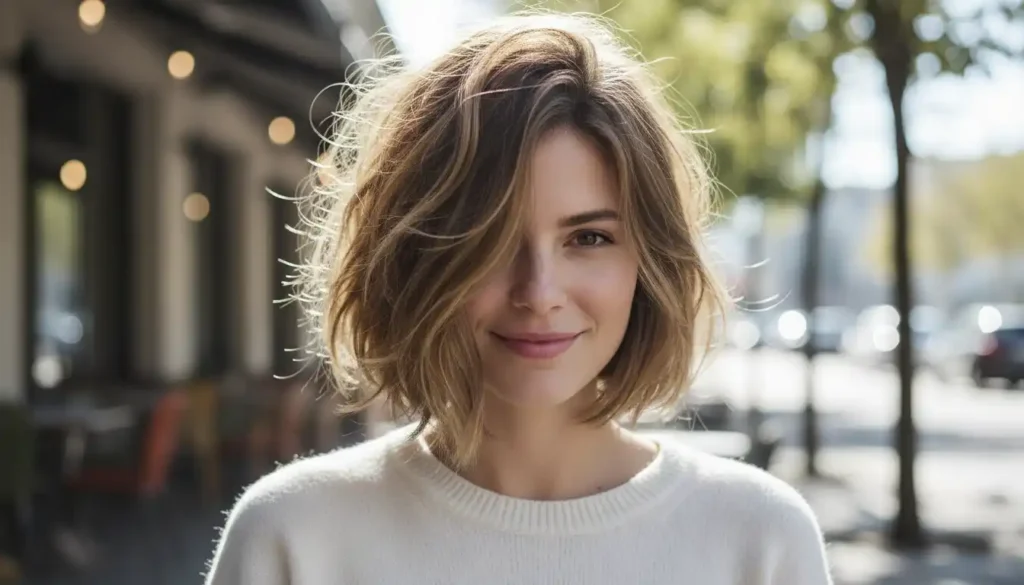
An A-line bob follows a smooth diagonal line from shorter at the back to longer at the front. The tousled styling keeps it from looking too severe, adding that effortlessly chic finish.
Best for: Round and square face shapes.
Styling Tips: How to Add Volume to Short Fine Hair Every Day
You might be wondering — once I’ve got the right cut, how do I actually make it look good at home? Here’s exactly what to do.
Step-by-step daily styling for short fine hair:
- After washing, gently press (don’t rub) your hair with a microfiber towel.
- Apply a volumizing mousse or root-lifting spray directly to the roots and crown — this is the single most impactful product step.
- Blow-dry with a round brush or vent brush, always lifting at the roots as you dry.
- For extra lift at the crown, blow-dry that section while holding the hair straight up.
- Let cool completely before adding any finishing product.
- Finish with a light-hold hairspray at the roots only — spraying all over can flatten fine hair.
- Use your fingertips (not a brush) to separate and define.
Products worth knowing about:
- Volumizing mousse at the roots before blow-drying
- Lightweight texturizing spray for lived-in texture
- A shine serum for the ends only (avoid roots)
- Dry shampoo for second-day volume
Face Shape Guide — Which Short Cut Works for You?
| Face Shape | Best Short Cuts | Cuts to Avoid |
| Oval | Almost everything — you’re the lucky ones. Blunt bob, pixie, stacked bob | None — oval faces suit it all |
| Round | A-line bob, asymmetrical cut, side-parted pixie bob | Blunt straight bangs, rounded bobs that add width |
| Square | Soft layered bob, curtain bangs, wispy pixie | Blunt geometric cuts that echo the jaw |
| Heart | Chin-length layered bob, feathered pixie, side-swept bangs | Very short pixies without length to balance the narrow chin |
| Oblong/Long | French bob, stacked bob, full bangs | Very short pixies that elongate further |
How to Talk to Your Stylist About Fine Hair
Walking into the salon and saying “I have fine hair” is a start — but you can be more specific to get exactly the right result. Here’s what to say:
- For volume: “I’d like a cut with internal layers at the crown that add lift, but please keep the ends as blunt as possible to maintain density.”
- For a pixie: “I want a tapered pixie with longer layers on top — can you avoid thinning shears throughout and just use them at the ends if needed?”
- For a bob: “I have fine hair, so I’d love a blunt or point-cut bob that creates the illusion of thickness. No heavy layering.”
- For bangs: “Can you keep the bangs wispy and light rather than blunt? I want them to grow out easily.”
- General: “I want something that grows out gracefully and still looks good between salon visits.”
Hair Care Tips for Older Women with Fine Hair
Now here’s something most haircut articles completely skip — the cut is only half the story. How you care for your hair matters just as much.
- Wash every other day or every two days if possible. Over-washing strips fine hair of natural oils, leaving it limp and fragile.
- Use a volumizing shampoo and a lightweight conditioner — apply conditioner only from mid-lengths to ends, never at the roots.
- Get a trim every 6–8 weeks for short cuts. Fine hair shows split ends and growing-out phases faster than thick hair.
- Sleep on a silk or satin pillowcase to reduce friction and breakage overnight.
- Turn down the heat on your blow-dryer — fine hair is more vulnerable to heat damage than thick hair. Use the medium heat setting.
- Avoid heavy oils or serums at the roots — they weigh fine hair down instantly.
- Consider a weekly volumizing hair mask for scalp health and strand strength.
Color Tips That Make Fine Hair Look Fuller
Color isn’t just about looking pretty — it’s a genuine volume tool for fine hair. Here’s how to use it strategically.
Highlights and babylights add dimension by reflecting light differently from different sections of hair, creating the visual illusion of depth and thickness. Even subtle babylights — very fine, delicate highlights — can make fine hair look significantly fuller.
Balayage on short hair grows out beautifully with no harsh root line, meaning you can stretch salon visits to every 10–12 weeks.
Avoiding heavy, all-over color is a smart move for fine hair — it can make strands look flatter and remove dimension.
Final Thoughts
Here’s the bottom line: short haircuts for older women with fine hair aren’t a compromise. They’re genuinely one of the best things you can do for your hair after 50. The right cut creates volume, adds confidence, and — honestly? — simplifies your entire morning.
Don’t let anyone tell you fine hair limits your options. The 40 styles in this guide prove that fine hair looks incredible when it’s in the right cut, at the right length, with the right products. The variety is real.