15 Common Haircare Mistakes You’re Probably Making (And How to Fix Them in 2026)
Let’s be honest here. You’ve spent money on expensive hair products, followed countless TikTok tutorials, and maybe even convinced yourself that dry shampoo counts as actual washing. But despite all that effort, your hair still isn’t living its best life.
Sound familiar? You’re not alone.
The truth is, most of us are making common haircare mistakes every single day without even realizing it. And these slip-ups? They’re quietly sabotaging our journey to healthy, gorgeous hair. But here’s the good news: once you know what you’re doing wrong, fixing it is surprisingly simple.
In my experience working with people on their hair care routines, I’ve discovered that the difference between damaged, dull hair and healthy, shiny locks often comes down to just a few habit changes. So let’s dive into the how to add volume and body to your hair that might be holding you back – and more importantly, how to fix them starting today.
Understanding Why Haircare Mistakes Matter

Before we jump into the specific mistakes, you might be wondering why this even matters. Can’t hair just bounce back from whatever we throw at it?
Unfortunately, no. Your hair is incredibly delicate, and damage accumulates over time. Think of it like this: every time you make a haircare mistake, you’re adding a small crack to your hair shaft. One crack? No big deal. But hundreds of cracks over weeks, months, and years? That’s when you start seeing serious problems like breakage, split ends, and hair loss.
The American Academy of Dermatology explains that many hair care habits can cause long-term damage that’s difficult to reverse. That’s exactly why catching these mistakes early is so important.
Now here’s where it gets interesting: most haircare mistakes fall into a few categories – too much of something (like heat styling), not enough of something else (like moisture), or doing things in the wrong order. Once you understand these patterns, fixing your routine becomes much easier.
The 15 Most Common Haircare Mistakes (And Their Simple Fixes)
1. Neglecting Your Scalp Health
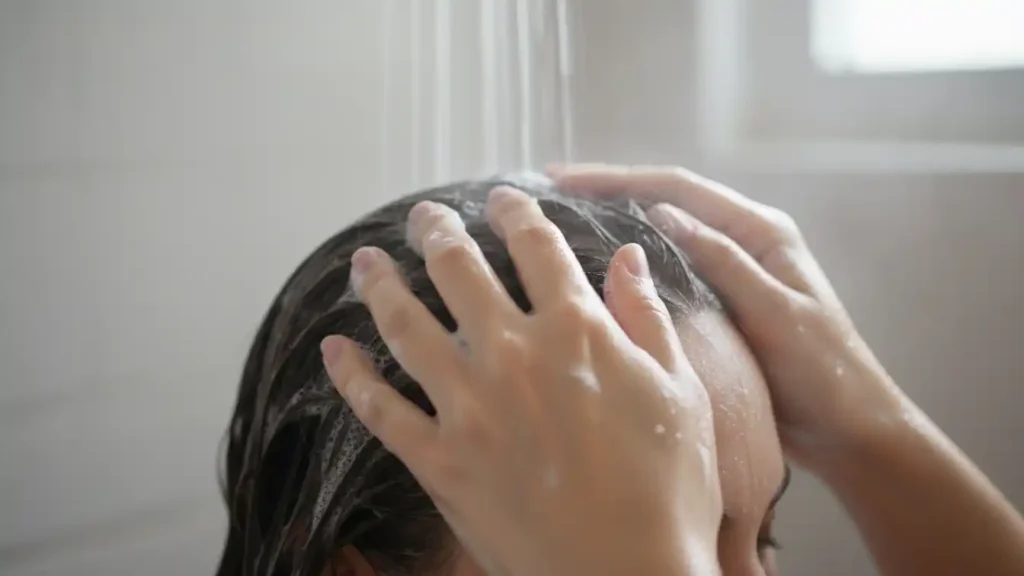
This is probably the biggest haircare mistake I see people make. We obsess over our hair strands but completely forget about the foundation where it all begins – the scalp.
Your scalp is literally skin. It needs the same attention and care as the skin on your face. When you neglect scalp health, you’re setting yourself up for problems like dandruff, itchiness, buildup, inflammation, and even slowed hair growth.
Think about it: you can’t grow beautiful flowers in poor soil, right? Same principle applies to your hair and scalp.
Signs you’re neglecting your scalp:
- Itchiness or flaking
- Excessive oiliness or dryness
- Product buildup that won’t wash out
- Hair that feels lifeless at the roots
The Fix: Start treating your scalp like the skin it is. Use a gentle, sulfate-free shampoo that cleanses without stripping. Massage your scalp while washing to increase blood circulation (this actually promotes hair growth). Consider adding a scalp scrub or exfoliator once a week to remove dead skin cells and buildup. And if you’re dealing with specific scalp issues like persistent dandruff or irritation, see a dermatologist – they can help identify the root cause.
What I love about this fix? Once you start prioritizing scalp health, you’ll notice improvements in your hair’s overall appearance surprisingly quickly. Healthy roots equal healthy hair.
2. Overwashing Your Hair (Or Not Washing Enough)
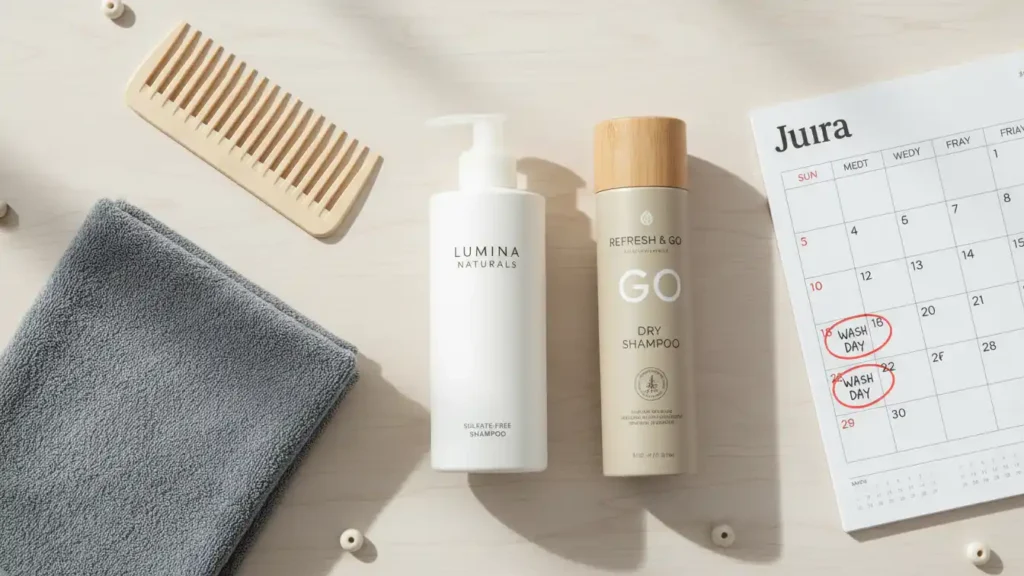
This is one of those Goldilocks situations – you need to find what’s “just right” for your hair type. And honestly, most people get this wrong in one direction or the other.
Overwashing your hair strips away natural oils (sebum) that your scalp produces to protect and moisturize your strands. When you wash too frequently, your scalp goes into overdrive trying to replace those oils, which can actually make your hair greasier. Plus, you end up with dry, brittle ends that are prone to breakage.
On the flip side, underwashing leads to product buildup, excess oil, a dull appearance, and potential scalp issues. Not great either.
The Fix: Here’s the truth: there’s no one-size-fits-all washing schedule. Your ideal frequency depends on your hair type, lifestyle, and even the climate where you live.
As a general guideline:
- Oily hair: 3-4 times per week
- Normal hair: 2-3 times per week
- Dry or curly hair: 1-2 times per week
- Thick, coarse hair: 1-2 times per week
Between washes, use a quality dry shampoo to absorb excess oil. And when you do wash, focus the shampoo on your scalp (where oil accumulates) and let it rinse through the lengths. Save the intensive conditioning for mid-lengths and ends.
3. Ignoring Your Hair Type and Texture
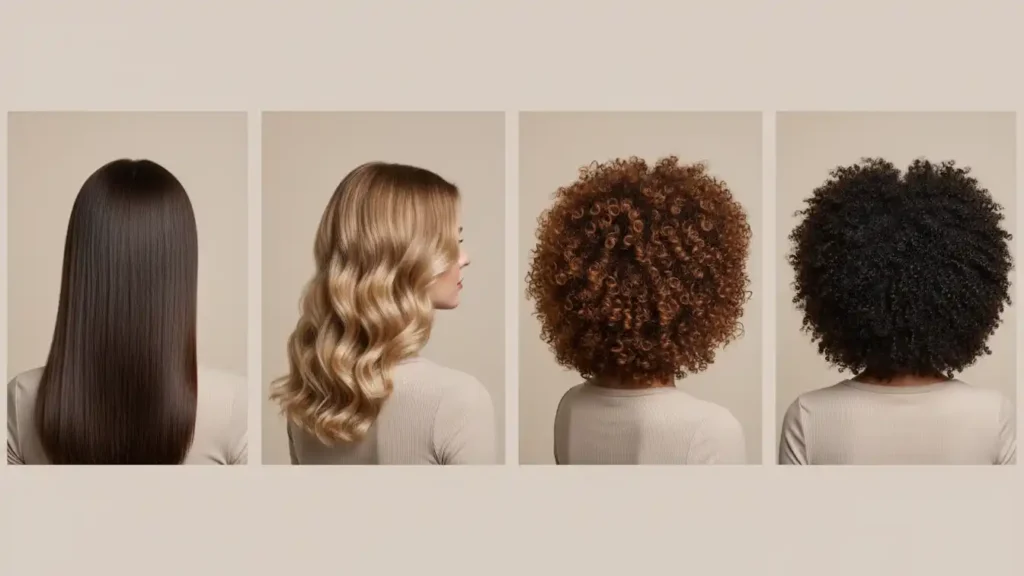
You might be wondering why the products your friend swears by don’t work for you. Here’s the thing: not all hair is created equal, and what works for one person might be completely wrong for another.
This is one of those common haircare mistakes that’s super easy to make. We see influencers with gorgeous hair using specific products, so we buy the same things. But if your hair type is completely different, those products might actually be causing harm.
Hair types range from straight (Type 1) to wavy (Type 2) to curly (Type 3) to coily (Type 4). Each type has different needs:
- Fine, straight hair: Needs lightweight products; heavy formulas weigh it down
- Wavy hair: Needs definition and moisture balance
- Curly hair: Needs intense moisture to prevent frizz
- Coily hair: Needs maximum hydration and gentle handling
Texture matters too. Fine hair breaks more easily but can look oily quickly. Coarse hair is more resistant but tends toward dryness.
The Fix: Take time to identify your actual hair type and texture. Look for products specifically formulated for your needs. If you have curly hair, you’ll want moisture-rich, frizz-controlling formulas. If you have fine hair, opt for volumizing, lightweight products that won’t create buildup.
In my experience, this one change – using the right products for your specific hair type – can transform your entire hair care routine. It’s worth the investment to find what actually works for you.
4. Skipping Heat Protectant (Every Single Time)
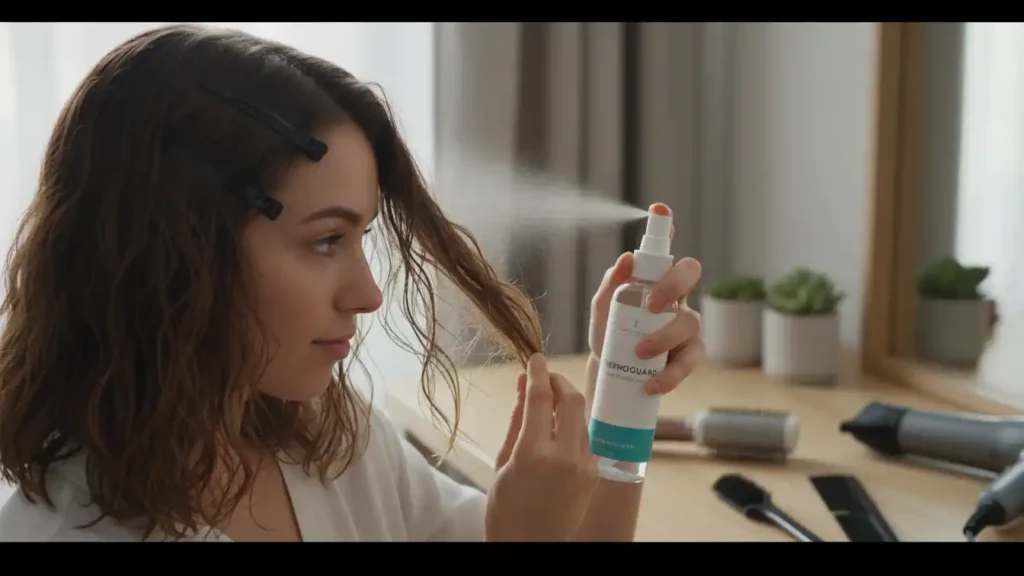
Let me be blunt: using heat styling tools without heat protectant is one of the worst haircare mistakes you can make. It’s like going out in scorching sun without sunscreen – you might not see the damage immediately, but it’s definitely happening.
Heat protectants work by creating a barrier between your hair and high temperatures. They contain ingredients (usually silicones or polymers) that coat your hair shaft, reducing moisture loss and preventing protein damage. Without this protection, heat styling literally cooks your hair from the inside out.
According to research, temperatures above 284°F (140°C) start causing permanent damage to both your hair’s protective cuticle and its deeper structures. And most flat irons and curling irons heat up to 400°F or higher!
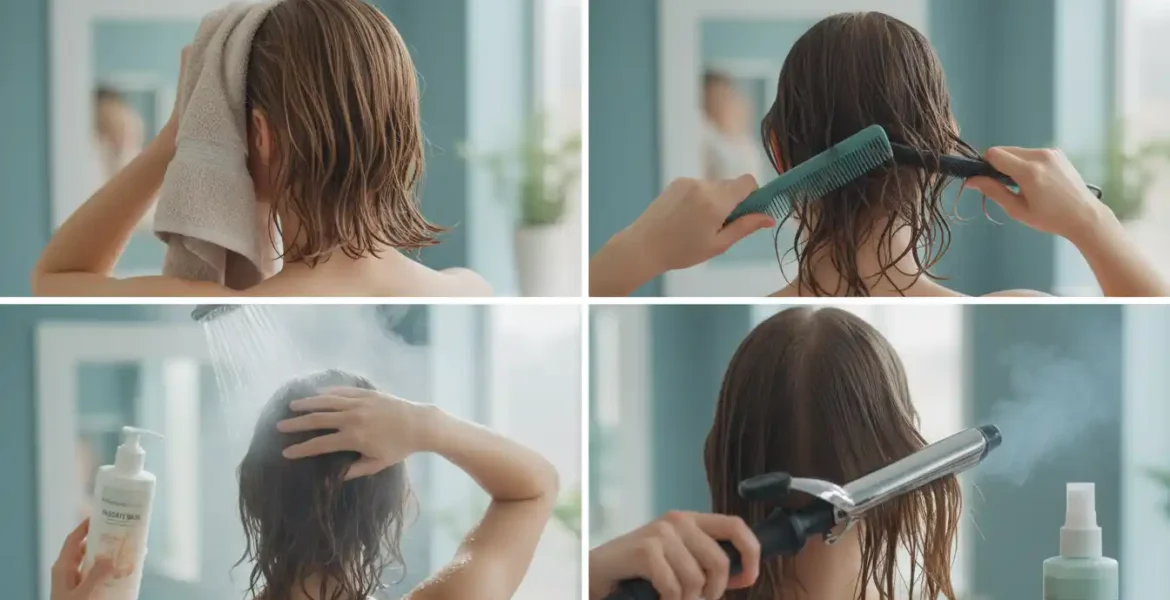
The Fix: Make heat protectant spray or serum a non-negotiable part of your routine. Apply it to damp hair before blow-drying, or to dry hair before using flat irons or curling irons. Don’t skip this step – even if you’re running late. Those 30 seconds can save months of damage.
Look for heat protectants with ingredients like dimethicone, cyclomethicone, or various polymers. These create the most effective thermal barrier. And apply generously – a little spritz won’t cut it. You need enough product to actually coat your strands.
5. Excessive Use of Heat Styling Tools
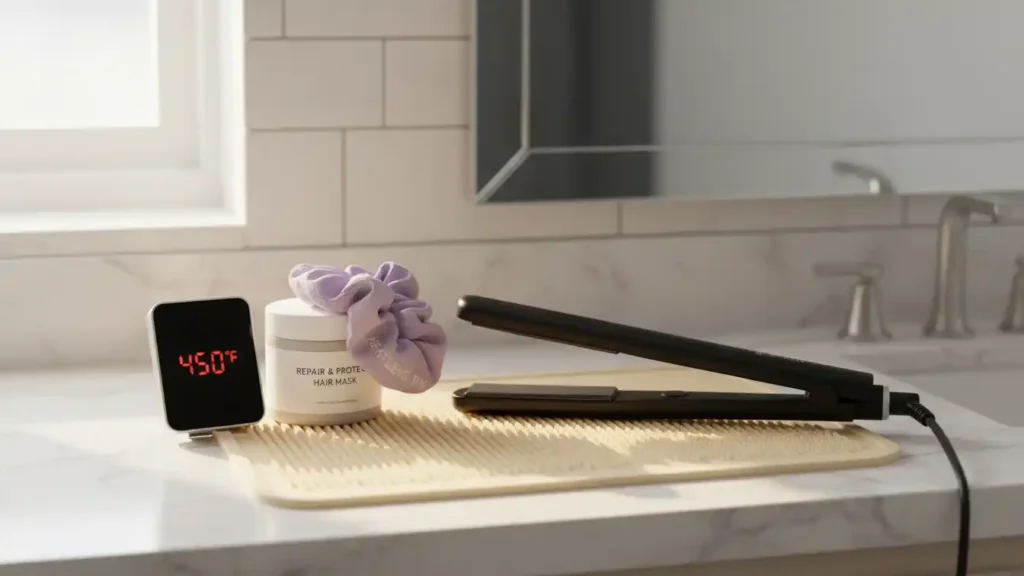
Even with heat protectant, using heat styling tools too frequently damages your hair. The science is clear on this: repeated heat exposure weakens keratin proteins (which make up 85% of your hair), leading to dryness, brittleness, and increased breakage.
I know, I know – your flat iron is your best friend. But if you’re using it daily, you’re slowly destroying your hair’s structure.
The Fix: Limit heat styling to 2-3 times per week maximum. On other days, embrace heatless hairstyles like braids, buns, or air-drying with styling products.
When you do use heat:
- Choose the lowest effective temperature for your hair type
- Use tools with adjustable settings
- Don’t hold the tool on one section for more than a few seconds
- Keep your blow dryer at least 6 inches away from your hair
- Consider ionic or ceramic tools that distribute heat more evenly
Also, pay attention to water temperature when washing. Hot water strips hair of natural oils, leading to dryness and color fading. Lukewarm water is gentler on your hair and scalp. Finish with a cool rinse to seal the cuticle and add shine.
6. Brushing Wet Hair Roughly
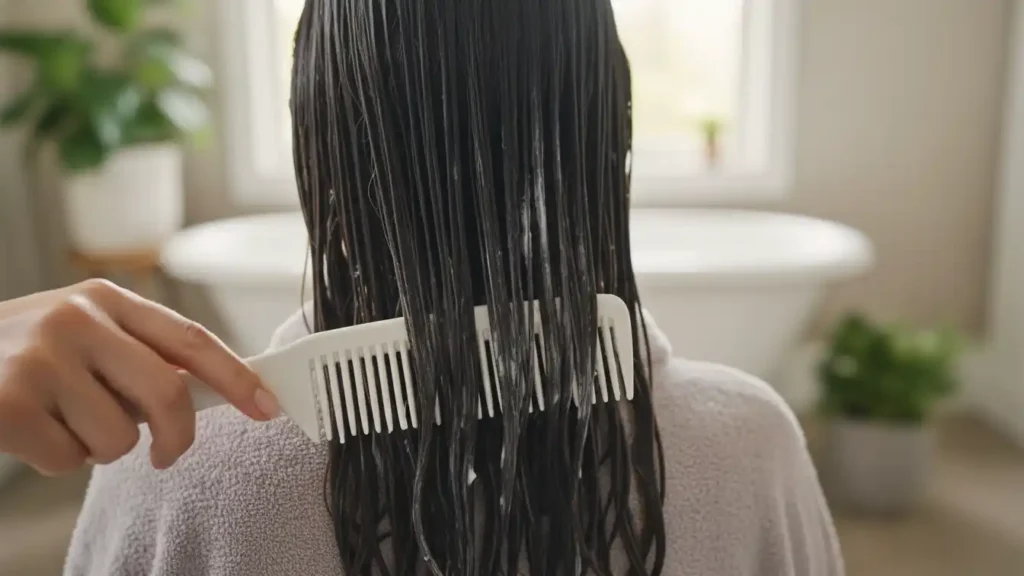
Wet hair is incredibly vulnerable. When hair is saturated with water, it swells and the cuticle lifts, making the hair shaft weaker and more prone to breakage. Ripping through it with a brush? That’s basically asking for damage.
This is one of those common haircare mistakes that seems harmless but causes significant long-term problems. Every time you roughly brush wet hair, you’re creating hundreds of tiny breaks along the hair shaft.
The Fix: If you have straight or wavy hair, let it dry about 50% before gently detangling with a wide-tooth comb. Start at the ends and work your way up – never pull from roots to tips in one motion.
For curly or coily hair, only detangle when wet with conditioner in. Use your fingers first, then a wide-tooth comb or a Denman brush designed for curls. Never brush curly hair when dry – it destroys curl definition and causes frizz.
Apply a leave-in conditioner or detangling spray before combing to reduce friction. And invest in quality tools – a good wide-tooth comb or wet brush with flexible bristles makes a huge difference.
7. Towel-Drying Too Aggressively

We’ve all done it: vigorously rubbing our hair with a towel after washing to dry it faster. But this rough action roughs up the hair cuticle, leading to frizz and breakage.
The friction from regular cotton towels catches on the lifted cuticle scales of wet hair, causing mechanical damage. Over time, this creates a rough, frizzy texture and weakens strands.
The Fix: After washing, gently squeeze excess water from your hair. Then wrap it in a microfiber towel or soft t-shirt (seriously, an old t-shirt works great) and let it absorb moisture naturally for 10-15 minutes. Pat gently if needed, but never rub.
Microfiber towels are gentler because they have a smoother surface that doesn’t catch on hair. They also absorb water more efficiently, which means less time with wet, vulnerable hair.
This simple switch can dramatically reduce frizz and breakage. In my experience, people are always surprised by how much smoother their hair looks after making this one change.
8. Using the Wrong Products for Your Hair Type
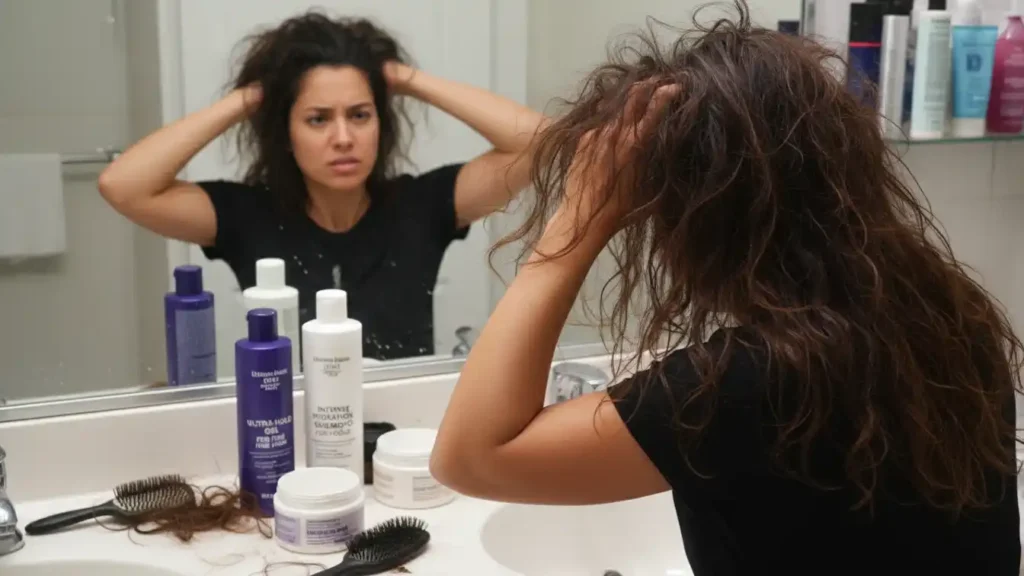
This builds on mistake #3, but it’s worth emphasizing. Using products that don’t match your hair’s needs is like putting diesel fuel in a gasoline engine – it might seem like it’s working, but you’re causing problems.
Common product mistakes:
- Using heavy, oil-based products on fine hair (causes limpness)
- Using clarifying shampoos daily on dry hair (strips moisture)
- Skipping conditioner on any hair type (leads to tangles and breakage)
- Using products with sulfates on color-treated hair (strips color)
The Fix: Read ingredient lists carefully. Look for:
- Sulfate-free formulas if you have dry, color-treated, or curly hair
- Lightweight, volumizing ingredients for fine hair
- Rich, moisturizing ingredients like shea butter or coconut oil for thick, dry hair
- Protein treatments for weak, damaged hair (but not too often)
And here’s a pro tip: when trying new products, give them 2-3 weeks before deciding if they work. Your hair needs time to adjust.
9. Overusing Dry Shampoo
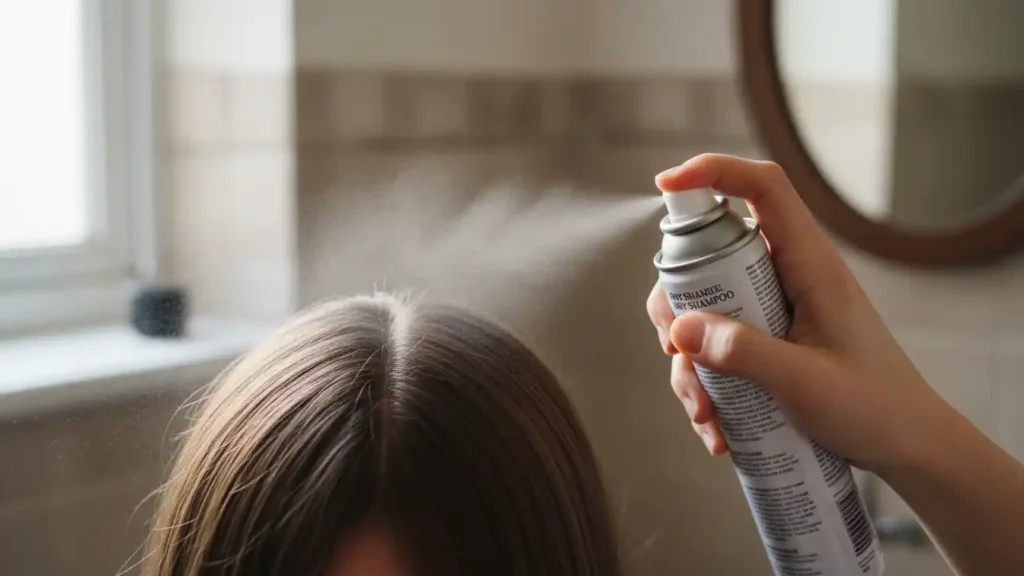
Dry shampoo can be a lifesaver for stretching wash days. But relying on it too often is actually one of the haircare mistakes that causes long-term problems.
When used excessively, dry shampoo can clog hair follicles, dry out your scalp, and make hair feel gritty and dull. It doesn’t actually clean your hair – it just absorbs surface oil. Meanwhile, dirt, sweat, and product buildup continue accumulating on your scalp.
The Fix: Use dry shampoo as a tool, not a replacement for actual washing. Once a week between washes is fine; 4-5 days in a row is too much. When you do use it, apply from 6-8 inches away and focus on the roots only. Massage it in thoroughly so it doesn’t just sit on the surface.
And remember: clean hair and a healthy scalp are essential for hair growth and long-term health. Don’t sacrifice scalp health for convenience.
10. Wearing Tight Hairstyles Constantly
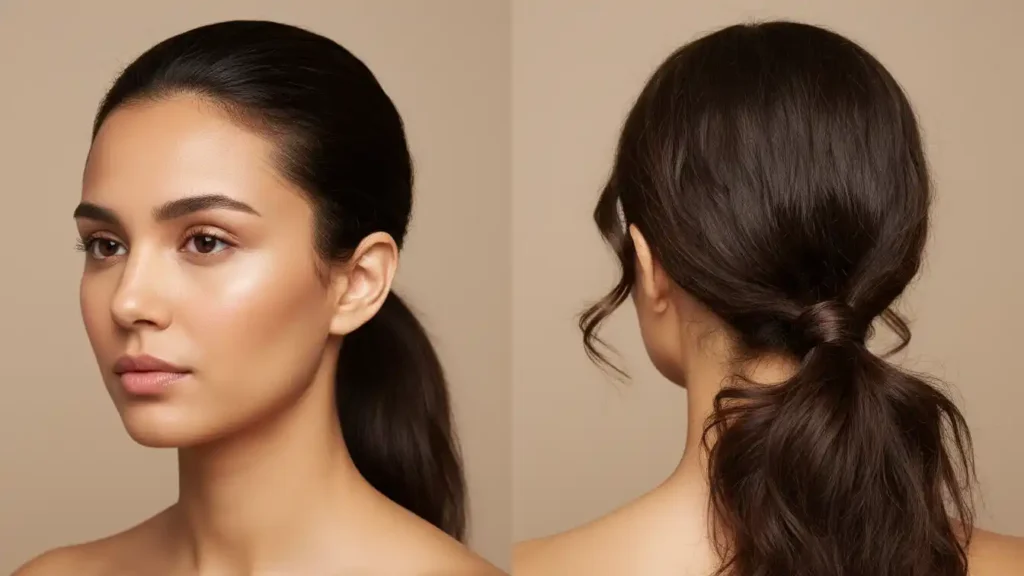
Slicked-back ponytails, tight buns, cornrows worn too tightly – these styles put constant tension on your hair roots and can lead to traction alopecia (a type of hair loss caused by pulling).
This particularly affects the hairline and temples, where hair is most fragile. Over time, the constant pulling damages hair follicles and can cause permanent hair loss.
The Fix: Vary your hairstyles. If you love updos, alternate with loose styles. When you do wear ponytails or buns:
- Keep them low and loose
- Use fabric-covered elastics or scrunchies (never thin rubber bands)
- Don’t wear the same style every single day
- Give your hair “down days” to recover
Consider protective hairstyles that don’t pull on roots – like loose braids or twists. And if you notice hair thinning around your hairline, stop wearing tight styles immediately and see a dermatologist.
11. Skipping Regular Trims
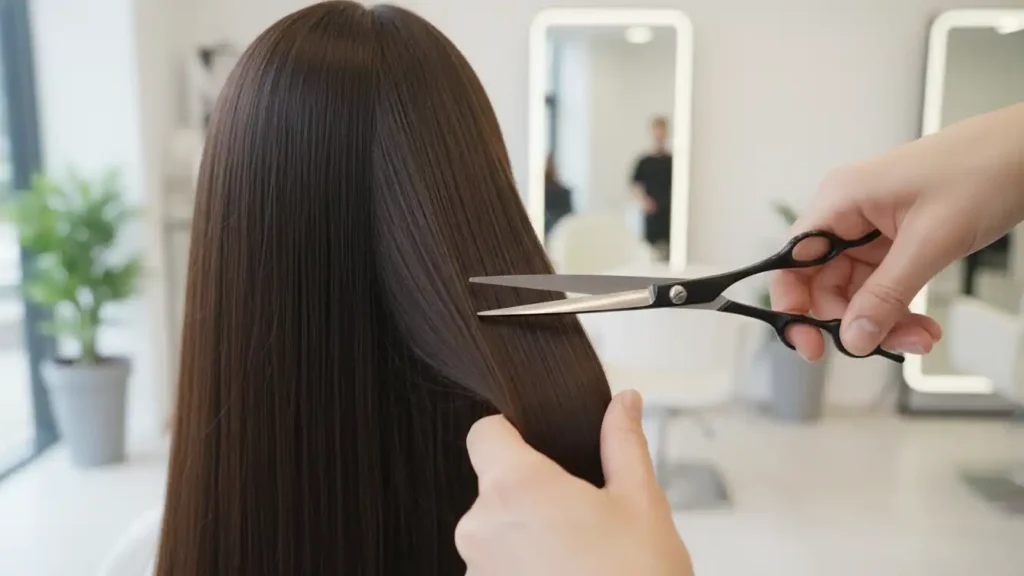
“But I’m trying to grow my hair long!” I hear this all the time. Here’s the thing: skipping trims doesn’t actually help your hair grow longer. It just means you’re walking around with damaged, split ends that will eventually break off anyway.
Split ends don’t repair themselves. Once the hair shaft splits, the damage travels upward. Eventually, you’ll need to cut off more length than if you’d just maintained regular trims.
The Fix: Get a trim every 6-8 weeks, even if it’s just a “dusting” where the stylist removes only the damaged tips. This prevents split ends from traveling up the hair shaft and keeps your hair looking healthy.
If you’re growing your hair out, tell your stylist you only want to remove damaged ends. A good stylist will work with your length goals while keeping your hair healthy.
Between trims, use leave-in treatments and hair oils on your ends to prevent new split ends from forming. But remember: products can only protect – they can’t repair splits that already exist.
12. Applying Conditioner to Your Scalp
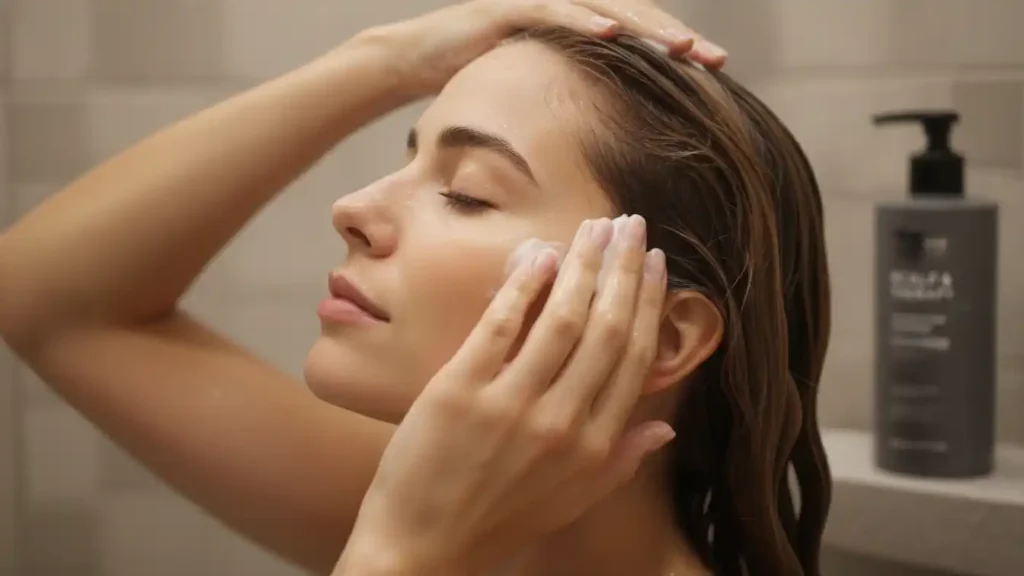
Unless you have extremely dry scalp, applying conditioner to your roots is a common haircare mistakes that leads to greasy, limp hair. Conditioner is formulated to moisturize and smooth hair strands – not scalp skin.
When you apply conditioner near your roots, it can:
- Weigh down hair at the scalp
- Create buildup that makes hair look greasy
- Flatten your natural volume
- Potentially clog hair follicles
The Fix: Apply conditioner from mid-length to ends only. These older parts of your hair need the moisture most. Your scalp produces natural oils that condition the roots, so they don’t need extra help.
For extra dry ends, apply conditioner first to the tips, then work it up to mid-length. Let it sit for 2-3 minutes before rinsing with cool water to seal the cuticle.
If you have very dry scalp or dandruff, use specific scalp treatments rather than regular conditioner.
13. Chemical Overtreatment
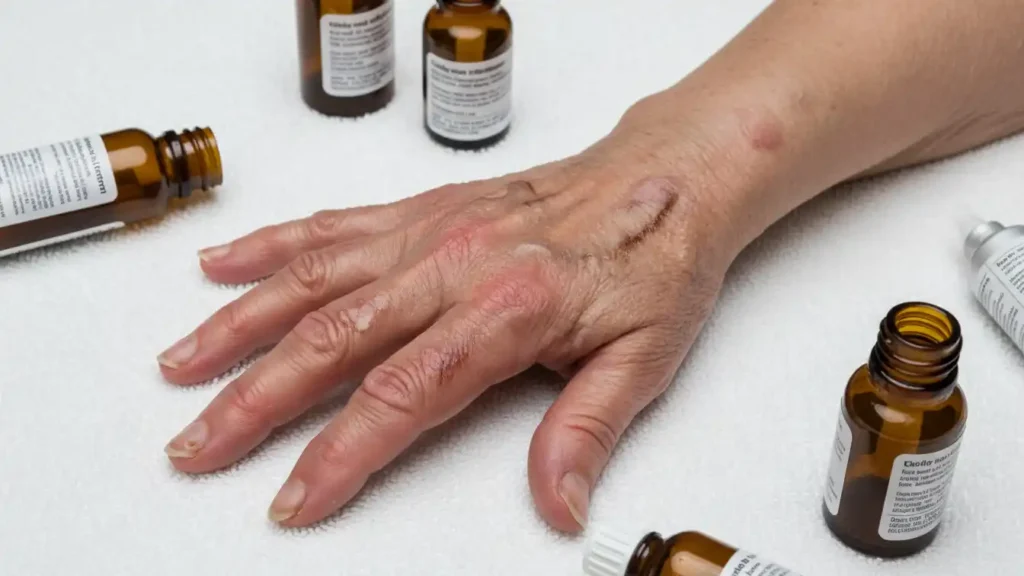
Frequent coloring, bleaching, perming, relaxing, and other chemical treatments break down your hair’s natural structure. While these treatments can look amazing, doing them too often or too close together causes serious cumulative damage.
Chemical treatments work by opening the hair cuticle and altering the bonds inside the hair shaft. This leaves hair porous, weak, and prone to breakage. Layer multiple treatments on top of each other? You’re asking for disaster.
The Fix: Space out chemical treatments as much as possible:
- Color touch-ups: Every 6-8 weeks minimum
- Bleaching: Every 8-10 weeks (and only by professionals)
- Relaxers or perms: Every 10-12 weeks
Between treatments, focus on repair:
- Use protein treatments to rebuild strength
- Deep condition 2-3 times weekly
- Minimize heat styling
- Consider Olaplex or similar bond-building treatments
And if you’re doing multiple chemical treatments (like bleaching AND coloring), work with a professional colorist who understands hair chemistry. DIY chemical treatments often cause more damage than salon services.
14. Sleeping on Cotton Pillowcases

This sounds random, but it’s one of those small haircare mistakes that adds up over time. Cotton pillowcases create friction while you sleep, which can damage hair cuticles, cause breakage, and create frizz and tangles.
You spend 6-8 hours per night with your hair rubbing against your pillowcase. That’s a lot of friction damage over weeks and months.
The Fix: Switch to silk or satin pillowcases. These smooth fabrics allow your hair to glide without catching, dramatically reducing overnight breakage and frizz.
Silk pillowcases are especially beneficial for:
- Curly hair (maintains curl pattern overnight)
- Long hair (reduces tangles)
- Frizz-prone hair (keeps cuticle smooth)
- Anyone trying to reduce breakage
Can’t afford silk? Satin works too and is more budget-friendly. Or wrap your hair in a silk or satin scarf before bed.
What I love about this fix? It’s literally zero effort – you’re sleeping anyway. Just upgrade your pillowcase and let it work while you rest.
15. Not Protecting Hair from Environmental Damage

Sun, wind, pollution, chlorine, salt water, hard water – environmental factors quietly damage your hair every day. But most people don’t think about protecting hair the way they protect skin.
UV rays break down hair proteins and fade color. Chlorine strips moisture and can turn light hair green. Hard water deposits minerals that build up on strands. Pollution creates free radicals that damage the cuticle.
The Fix: Protect your hair from environmental stressors:
- Wear a hat or scarf in strong sun
- Use hair products with UV protection
- Rinse immediately after swimming (and use a swim cap if possible)
- Install a shower filter if you have hard water
- Use clarifying treatments monthly to remove buildup
- Apply leave-in conditioner with antioxidants
These protective measures might seem unnecessary, but they add up. Think of it like skincare – prevention is easier than repair.
The Complete Haircare Mistakes Comparison Table
| Mistake | Why It’s Damaging | Quick Fix | Best Products |
| Neglecting Scalp | Blocks follicles, slows growth, causes dandruff | Weekly scalp massage, monthly scalp scrub | Sulfate-free shampoo, scalp serum |
| Overwashing | Strips natural oils, triggers excess oil production | Wash 2-3x/week, use dry shampoo between | Quality dry shampoo, sulfate-free shampoo |
| Wrong Products | Causes buildup or insufficient moisture | Match products to your hair type | Targeted shampoo/conditioner sets |
| No Heat Protectant | Permanent protein damage from high temperatures | Apply before every heat use | Heat protectant spray or serum |
| Excessive Heat | Weakens keratin, causes brittleness | Limit to 2-3x/week, lower temperature | Ionic or ceramic tools |
| Brushing Wet Hair | Causes breakage when hair is vulnerable | Use wide-tooth comb, start at ends | Wide-tooth comb, wet brush |
| Rough Towel Drying | Creates frizz and surface damage | Pat with microfiber towel or t-shirt | Microfiber hair towel |
| Tight Hairstyles | Causes traction alopecia, damages follicles | Vary styles, use loose updos | Scrunchies, fabric elastics |
| Skipping Trims | Split ends travel up hair shaft | Trim every 6-8 weeks | Quality salon scissors |
| Conditioner on Roots | Creates greasy, flat hair | Apply mid-length to ends only | Leave-in conditioner for ends |
| Chemical Overload | Breaks down hair structure | Space treatments 8+ weeks apart | Protein treatment, deep conditioner |
| Cotton Pillowcases | Friction causes breakage overnight | Switch to silk/satin | Silk or satin pillowcase |
| No Environmental Protection | UV, pollution, minerals damage hair | Use UV protection, rinse after swimming | UV spray, clarifying shampoo |
Step-by-Step: Creating Your Perfect Haircare Routine
Now that you know what not to do, let’s build a routine that actually works. Here’s a complete hair care routine that avoids all these common haircare mistakes:
Weekly Routine:
Wash Days (2-3x per week):
- Pre-wash: Brush dry hair gently to remove tangles
- Wet with lukewarm water
- Apply sulfate-free shampoo to scalp, massage for 1-2 minutes
- Rinse thoroughly
- Apply conditioner from mid-length to ends (avoid roots)
- Leave for 2-3 minutes, then rinse with cool water
- Gently squeeze out water, wrap in microfiber towel
- Apply leave-in conditioner or heat protectant if styling
- Air dry or blow dry on low heat, keeping dryer 6+ inches away
Between Washes:
- Use dry shampoo at roots if needed (max once between washes)
- Brush gently with appropriate brush for your hair type
- Sleep on silk/satin pillowcase
Weekly Treatments:
- Deep conditioning mask: Once weekly, apply to clean hair, leave 20-30 minutes
- Scalp massage: 5-10 minutes while washing to boost circulation
- Hair oil treatment: Apply to ends before bed, wash out next morning
Monthly Maintenance:
- Scalp scrub: Once monthly to remove buildup
- Clarifying shampoo: Once monthly if you use styling products
- Protein treatment: Once monthly if hair is damaged (skip if hair is healthy)
- Professional trim: Every 6-8 weeks
Daily Protection:
- Avoid tight hairstyles daily
- Apply UV protection if going outside
- Use heat protectant before any heat styling
- Wear a hat in strong sun or wind
Special Considerations for Different Hair Types
For Fine, Thin Hair
Your hair needs lightweight care that won’t weigh it down:
- Use volumizing, sulfate-free shampoo
- Skip heavy oils and butters
- Apply conditioner only to the last 2-3 inches
- Dry shampoo is your friend for volume
- Avoid over-washing (strips protective oils)
For Thick, Coarse Hair
You need serious moisture and smoothing:
- Use rich, creamy shampoos and conditioners
- Deep condition 2x weekly minimum
- Heavier oils (coconut oil, shea butter) work great
- Focus on frizz control and hydration
- Section hair when applying products for even coverage
For Curly and Coily Hair
Moisture is everything for curly hair:
- Co-wash or use sulfate-free, moisturizing shampoo
- Never brush when dry
- Detangle only with conditioner in, using fingers or wide-tooth comb
- Use leave-in conditioner and curl cream
- Sleep with silk/satin bonnet or pillowcase
- Refresh curls between washes with water and leave-in spray
For Color-Treated Hair
Extra care prevents fading and damage:
- Use color-safe, sulfate-free products
- Wash less frequently (2x week max)
- Cool water rinses seal color
- Deep condition 2-3x weekly
- Minimize heat styling
- Use UV protection to prevent fading
- Wait 48 hours after coloring before washing
When to See a Professional
Sometimes, despite your best efforts, hair problems persist. You should consult a dermatologist or trichologist if:
- You’re experiencing excessive hair loss (more than 100 strands daily)
- Your scalp has persistent issues (severe dandruff, itching, pain, or sores)
- Hair is breaking off in large amounts
- You notice bald patches developing
- Hair texture changes dramatically without explanation
- Scalp becomes inflamed or painful
These could indicate underlying health issues or conditions like alopecia, hormonal imbalances, or nutritional deficiencies. Early intervention makes treatment more effective.
Similarly, for severe heat damage or chemical damage, a professional stylist can recommend salon treatments like keratin treatments, Olaplex, or protein rebuilding treatments that are stronger than at-home options.
Conclusion: Your Action Plan for Healthier Hair in 2026
Look, I get it. Reading about all these common haircare mistakes might feel overwhelming. But here’s the thing: you don’t need to fix everything at once.
Start with the haircare mistakes that apply most to your situation. If you’re constantly using heat styling tools, prioritize adding heat protectant and lowering temperatures. If your scalp has been ignored, start there with gentle scalp massage and proper cleansing. If you’re washing daily, work on extending time between washes.
Small changes add up. In my experience, most people see noticeable improvements in just 4-6 weeks when they correct even 2-3 of these haircare mistakes.
Remember: your hair has been through a lot. Every day, it faces heat styling, environmental damage, friction from brushing and styling, and chemical treatments. It deserves some extra care and attention. And the good news? Healthy hair is absolutely achievable when you stop making these common mistakes.
The American Academy of Dermatology explains that many hair care habits can cause long-term damage that’s difficult to reverse
Ready to transform your haircare routine? Pick one or two haircare mistakes from this list and commit to fixing them this week. Next week, add another. Build gradually until you’ve created a routine that supports truly healthy hair.
Your future self – with strong, shiny, damage-free hair – will thank you for starting today. And if you’re struggling with persistent hair problems despite making these changes, don’t hesitate to consult a professional dermatologist or stylist. They can provide personalized guidance for your specific needs.
Now go forth and show those common haircare mistakes who’s boss! Your best hair days are ahead of you.